


A Glass Showroom Without the Glass-Box Problem
A vehicle showroom needs light, visibility, and a strong street presence. It does not need to be a solar cooker. As an official option within Volvo’s Retail Sustainability Experience program, Solera® gives dealership owners a daylighting choice that creates a bright, design-forward showroom while helping the building work harder for comfort, energy, and brand experience.
Program Details
|
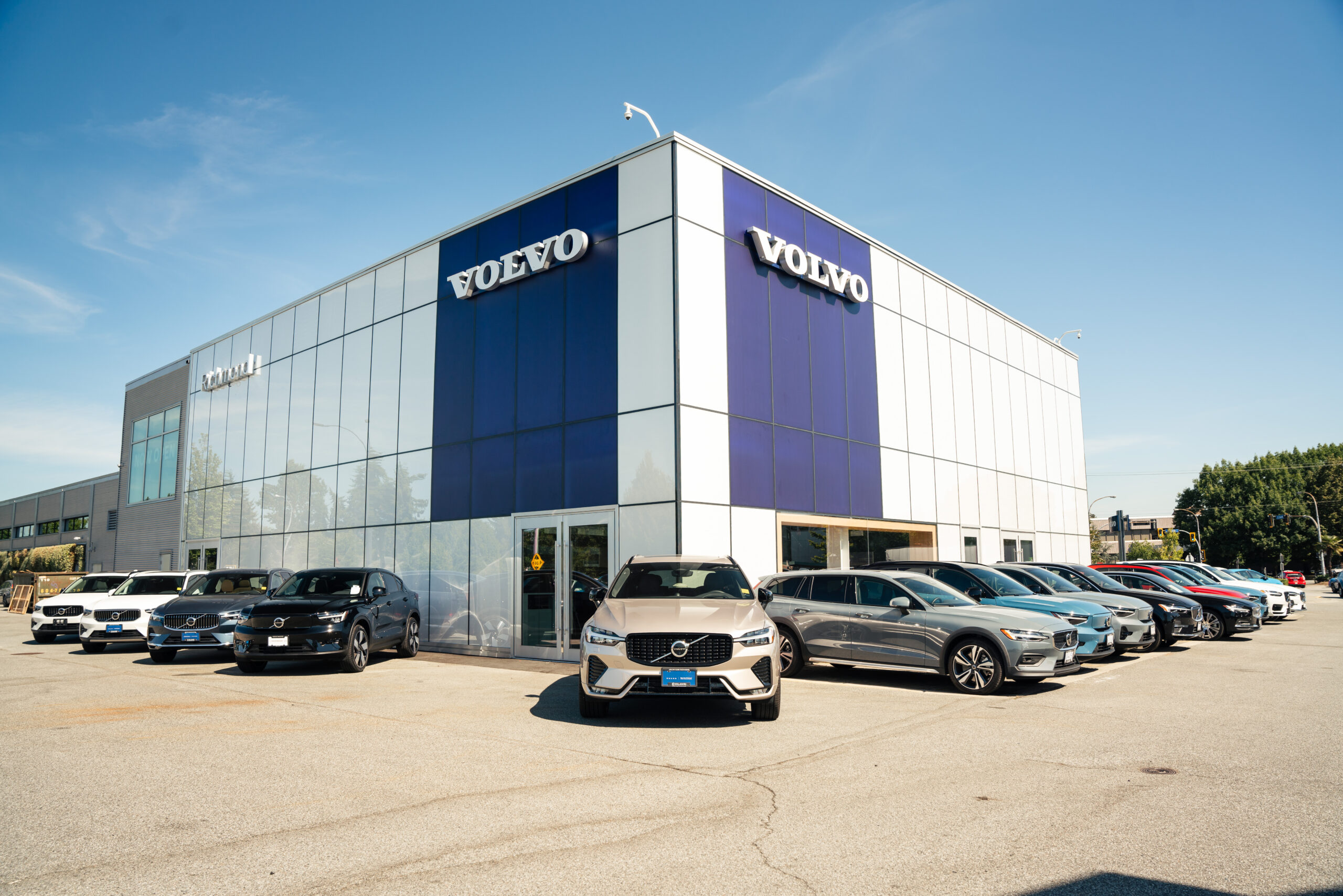
Volvo Richmond: a VRSE dealership where Solera® is part of the customer-facing façade strategy. |
Why the Conventional Glass Showroom Stops Working
Automotive retail has long treated an all-glass façade as the shortcut to visibility. The showroom gets attention from the street, but the same glass can turn the customer environment into a high-contrast, high-heat space. It is difficult to inspect paint, finishes, and digital screens when direct sun and reflected glare dominate the room. Staff respond with HVAC capacity, blinds, and electric lighting — all of which undercut the original architectural idea.
The Traditional Showroom Trade-Off
 |
 |
Acid-etched glass remains one of a select group of approved VRSE options. Etching can obscure a view, but it does not deliver the controlled diffusion needed to redistribute direct sun. It can still create high-brightness glare and, with much lower thermal resistance than Solera®, leaves the showroom more vulnerable to the solar-cooker effect — increasing HVAC demand and reducing comfort for staff and customers.
Volvo’s Better Third Option
Within the official VRSE program, dealership owners choose from a select group of approved façade options, including acid-etched glass and Solera®. Acid-etched glass is primarily a visual treatment: it can obscure a view, but it does not properly diffuse direct sunlight, control glare, or provide the insulation needed to keep a glass-heavy showroom from becoming a solar cooker. Solera® is the daylighting option engineered for the harder job — converting direct sun into broad, soft light while adding meaningful thermal resistance. Vision glass remains valuable where customers need a direct view; Solera® is specified where the showroom needs daylight that supports people, vehicles, and the building’s energy performance.
Glare-Free Daylight Is a Performance Standard
Solera® uses a proprietary diffusion veil to turn direct sunlight into usable daylight. Its insulating glass-based system can be configured for the project’s visual and thermal objectives, with performance options up to R-25. The result is a showroom that feels open and daylight-filled without asking clear glass to do a job it was not designed to do.
The Best Insulating Glass on the Planet
Visual comfort is only half of the showroom-envelope decision. Solera® can be configured up to R-25 thermal resistance — compared with roughly R-2 for standard double-pane glass and about R-13 for a typical insulated wall. That level of insulation helps reduce heating and cooling loads, can support smaller HVAC requirements, and makes it easier to keep staff and customers comfortable year-round.
At the same time, usable daylight can reduce dependence on artificial lighting for much of the day. In appropriate configurations, that can reduce lighting electricity consumption by up to 30%, while lowering the internal heat created by electric lighting. These are envelope and operational opportunities to evaluate for each dealership, not performance claims for an individual VRSE location.
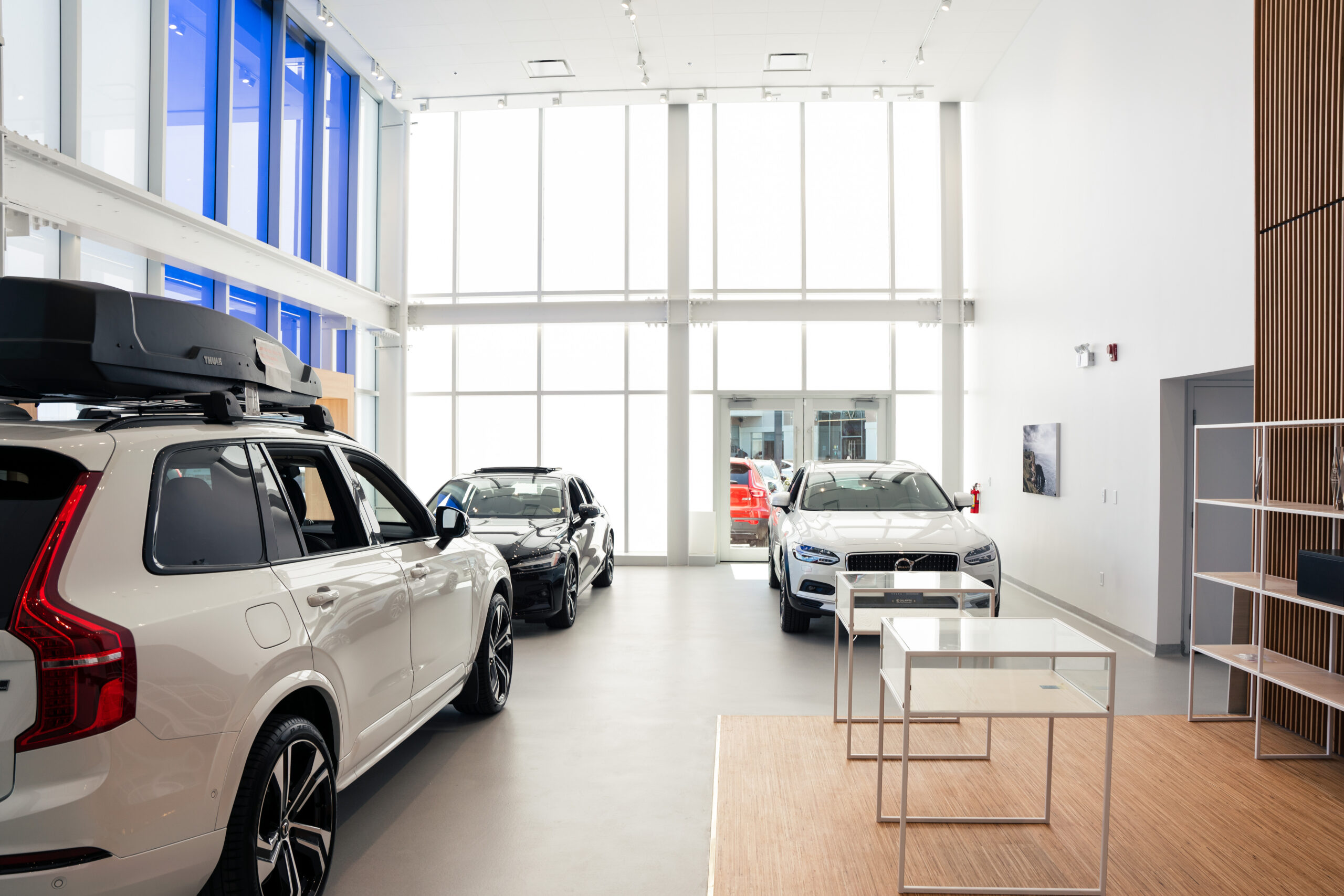
Solera® creates a bright, evenly lit sales environment without asking conventional clear or acid-etched glazing to solve every thermal and visual-comfort challenge.
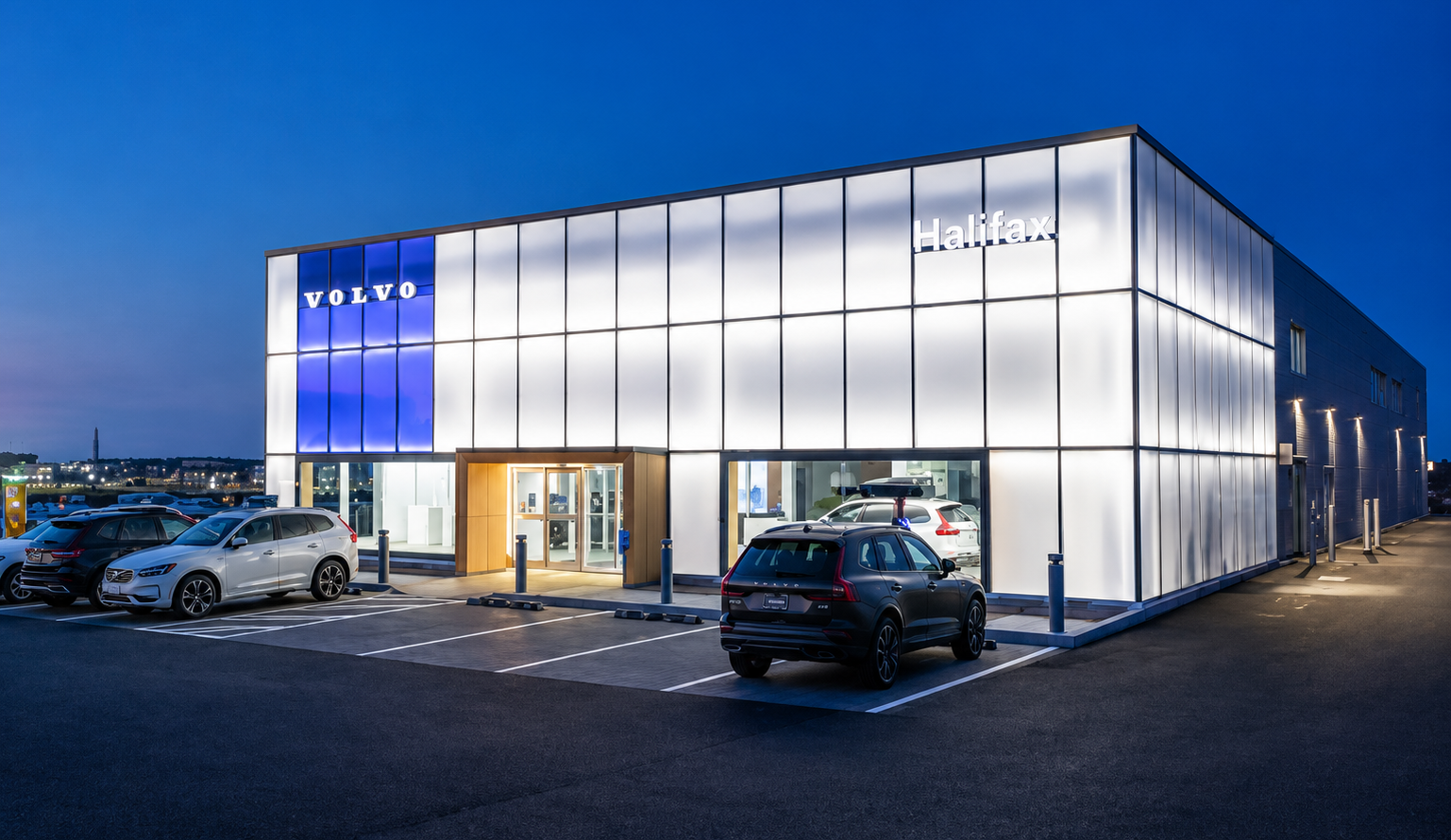
The Lantern Effect: Brand Presence Day and Night
The same diffusion that improves the showroom during the day gives the dealership a distinctive presence after dark. The building reads as a refined illuminated volume rather than a typical glass box full of glare and exposed lighting. For a retail brand, that makes the envelope part of the customer experience before the customer enters the building. |
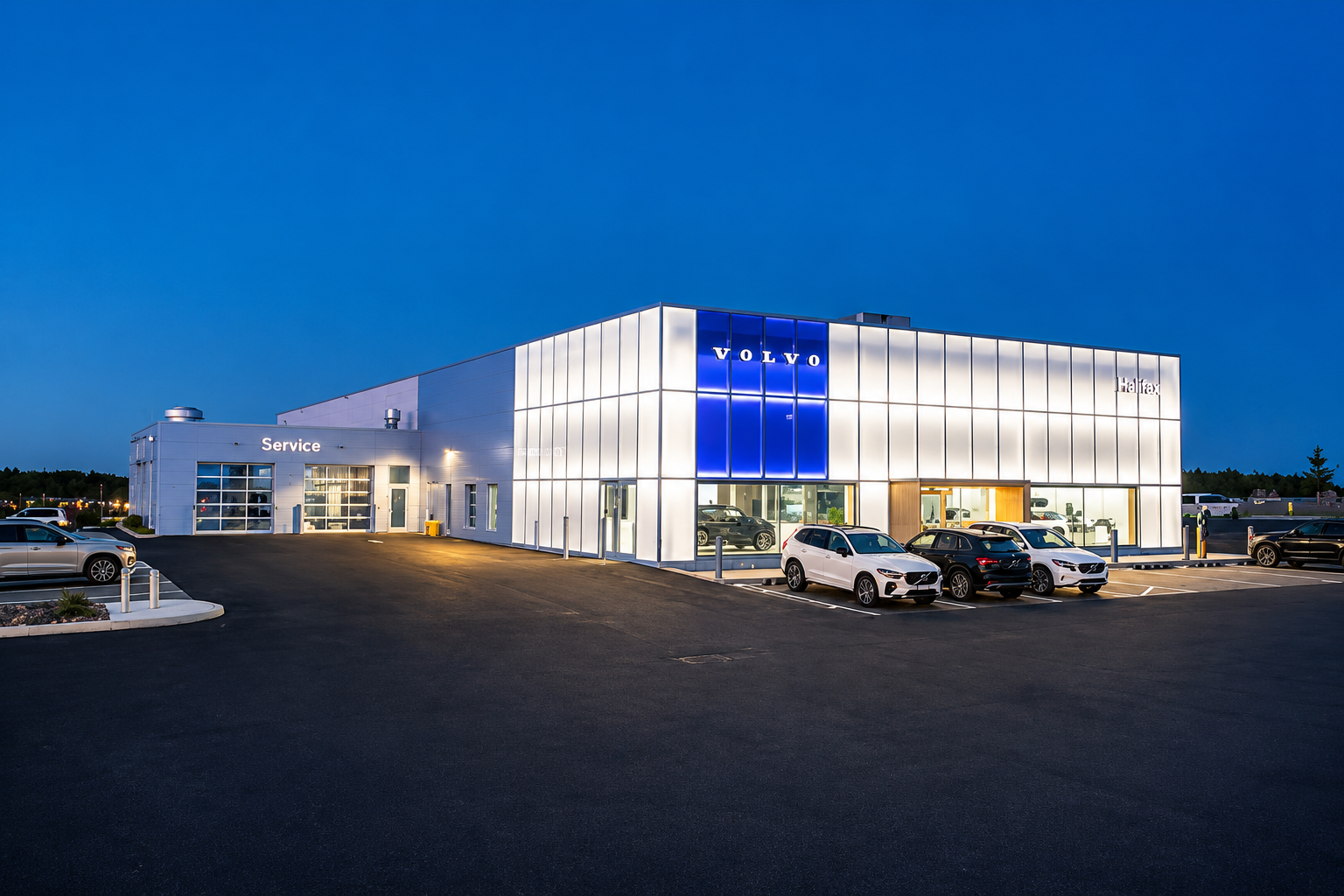 Volvo Cars Halifax after dark. |
What Changes Inside the Showroom
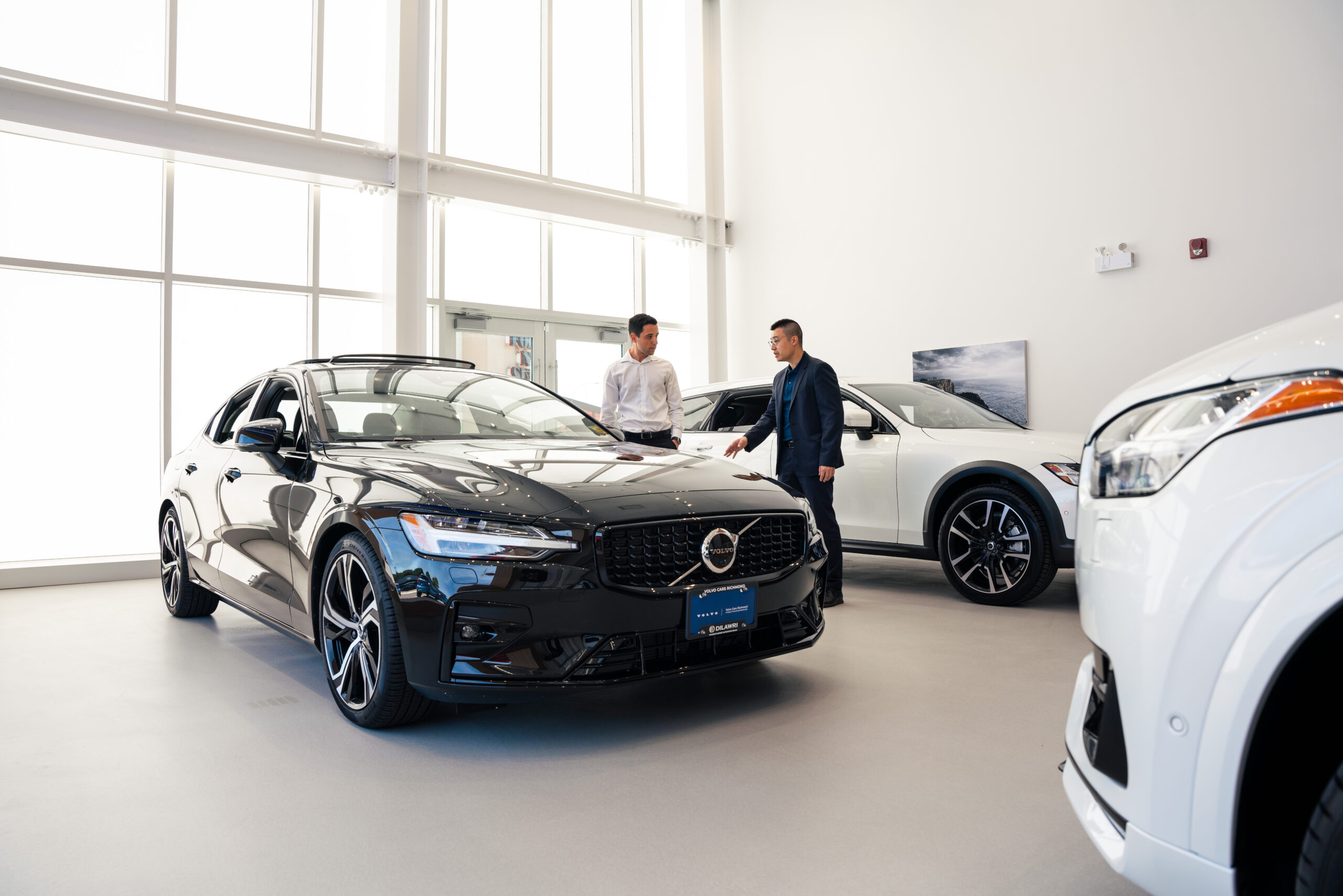
For staff, controlled daylight can reduce the amount of time the showroom relies on electric lights while improving visual comfort at desks and on the sales floor. For customers, the goal is simpler: see the vehicle in a bright, calm environment where paint, finishes, and digital displays are not competing with sun patches or reflections.
 |
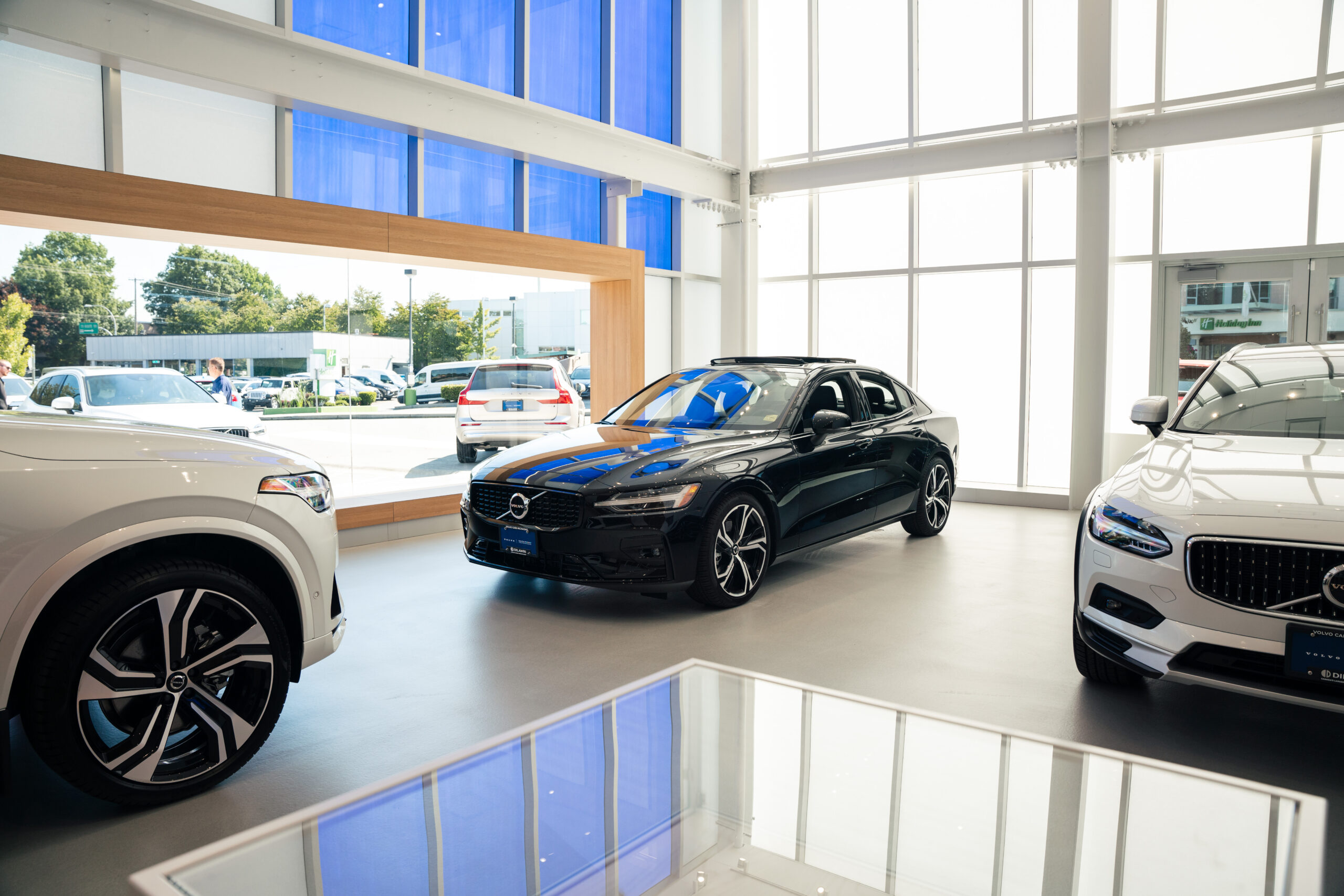 |
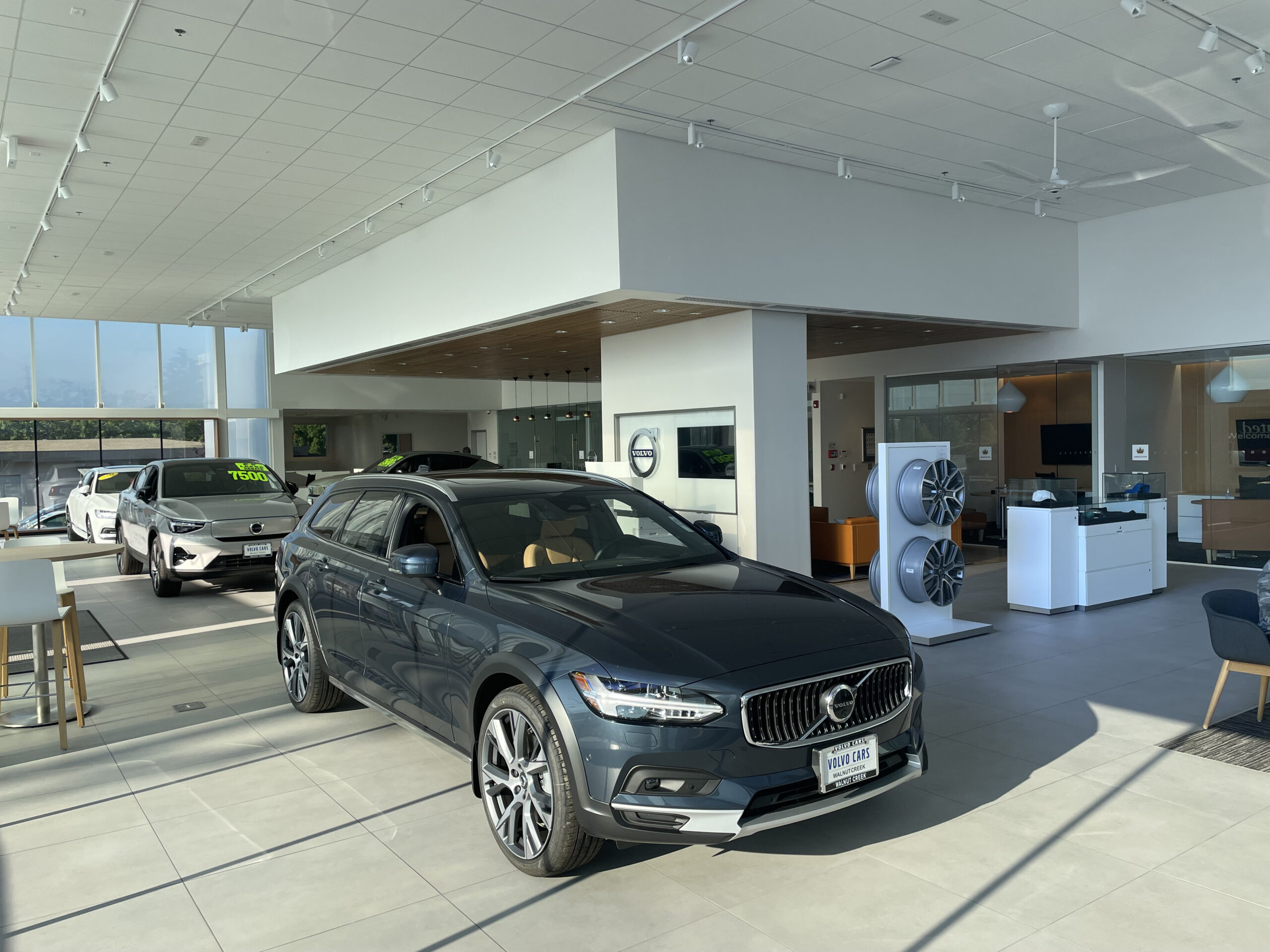
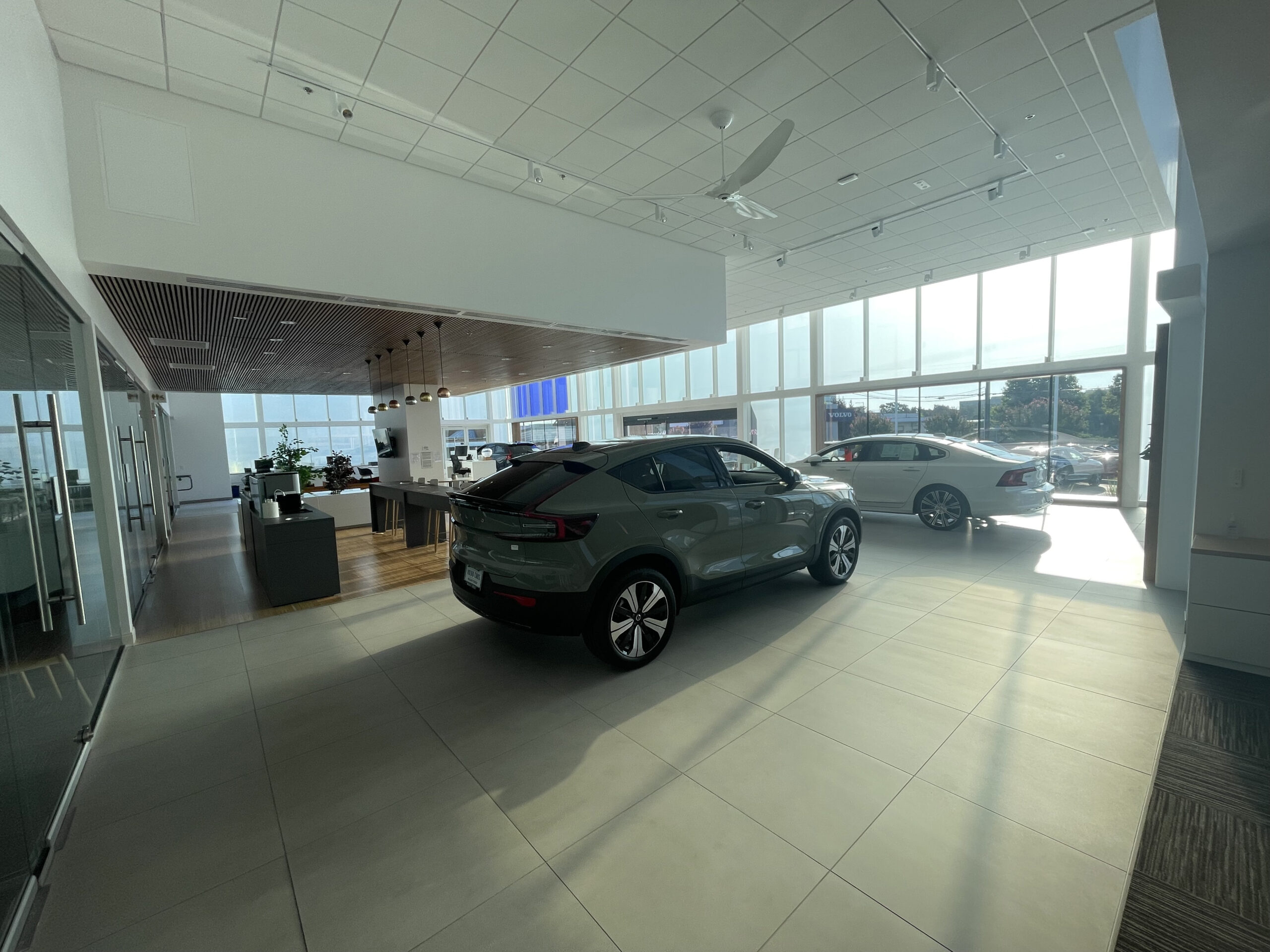
Richmond showroom interiors: daylight is designed to support the sales environment rather than compete with the vehicles and people inside it.
Daylight Can Support a Better Retail Outcome
A more comfortable, visually reliable showroom can give customers more reason to stay, explore, and evaluate a vehicle without the distractions of heat and glare. Daylight also helps vehicles read closer to their intended colour and finish — an important part of a premium retail experience.
Research context: Heschong Mahone Group, 2002.
The Result: A Retail Façade That Does More
The Volvo VRSE program demonstrates how a showroom can look transparent and welcoming without becoming dependent on an all-vision-glass façade. It preserves the visual openness that retail needs while bringing daylight, thermal comfort, and brand experience into the same envelope decision.
See the Volvo Halifax VRSE Experience
Program: Volvo Retail Sustainability Experience | Partnership: Volvo Cars Canada + Advanced Glazings Ltd. | Product: Solera®