


A building that leaks energy, reduces employee productivity, or requires constant maintenance isn’t an asset; it’s a liability. Solera® turns your building envelope into a high-performance engine for ROI, delivering measurable gains in energy savings, human performance, and long-term value.
Poorly lit environments can decrease employee productivity by up to 15% and are a leading cause of unscheduled absenteeism, costing an average of $3,600 per employee, per year.
(CIRCADIAN, Absenteeism: The Bottom-Line Killer; Lighting Design Lab, 1995)Studies show daylighting increases customer dwell time by 15%. For every 1% increase in dwell time, sales rise by an average of 1.3%. Natural light also ensures true color representation for products.
(Heschong Mahone Group, 2002)
Students in daylit classrooms learn 20% faster in math and 26% faster in reading. This leads to better test scores, improved school ratings, and higher enrollment.
(Heschong Mahone Group, 1999)
Offices with ample daylight see a 15% reduction in absenteeism and significant gains in productivity. It’s a direct boost to your operational efficiency.
(World Green Building Council, 2014)
Cardiac patients in daylit rooms have hospital stays reduced by an average of 16.8 hours. Faster patient recovery leads to lower costs and higher throughput.
(Clemson University, 2023)
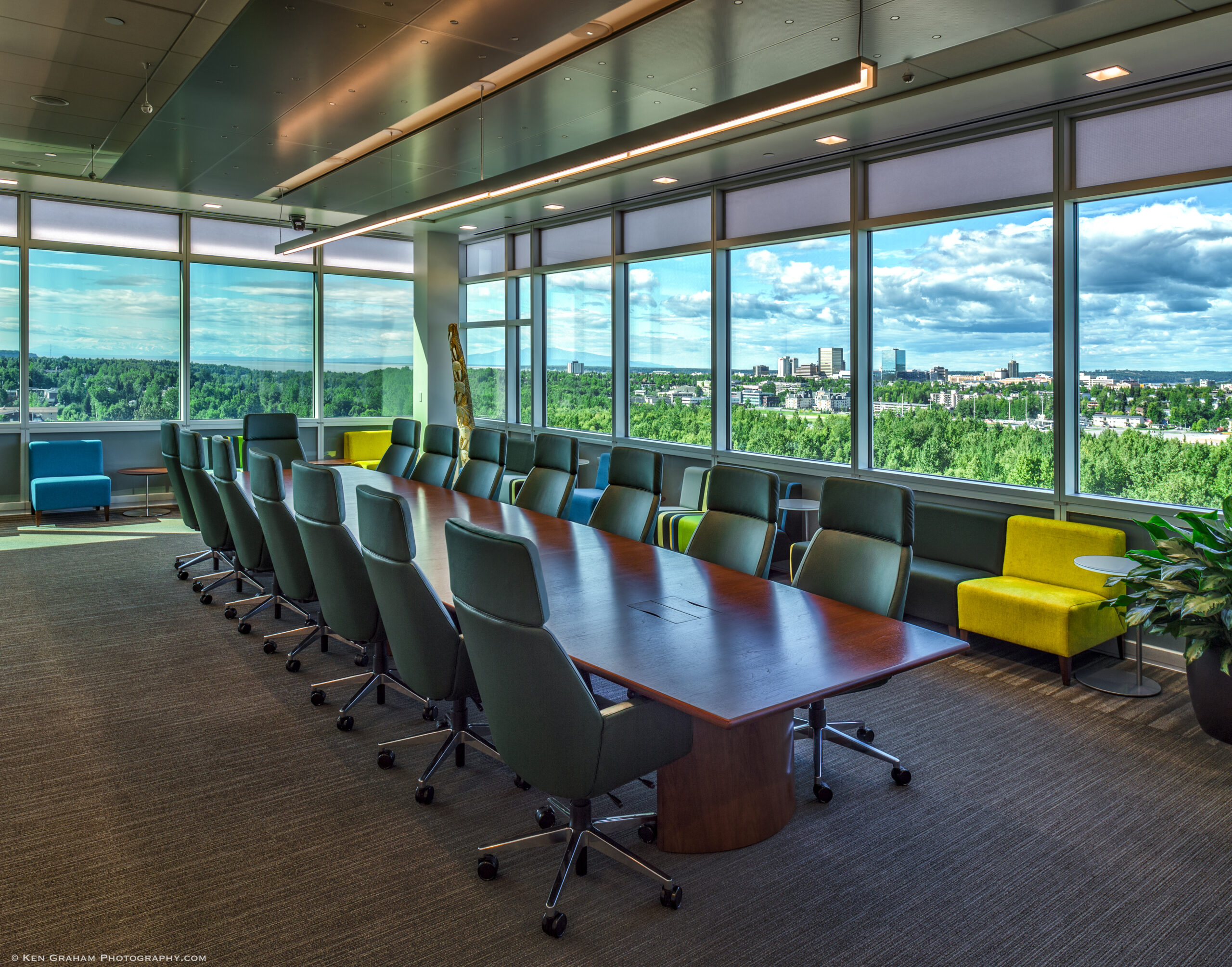
Office spaces with high levels of daylight command a 5–6% rent premium over comparable spaces with low daylight levels.
(Turan, Chegut, Fink & Reinhart, MIT / Building and Environment, 2020)When a space offers both high daylight access and quality views, tenants pay an additional 6% net effective rent premium — on top of base market rates.
(Turan, Chegut, Fink & Reinhart, MIT / Landscape and Urban Planning, 2021)Access to natural light consistently ranks as the top priority for office tenants when selecting or renewing a lease — above proximity, amenities, and even price.
(CBRE Occupier Survey; World Green Building Council, 2014)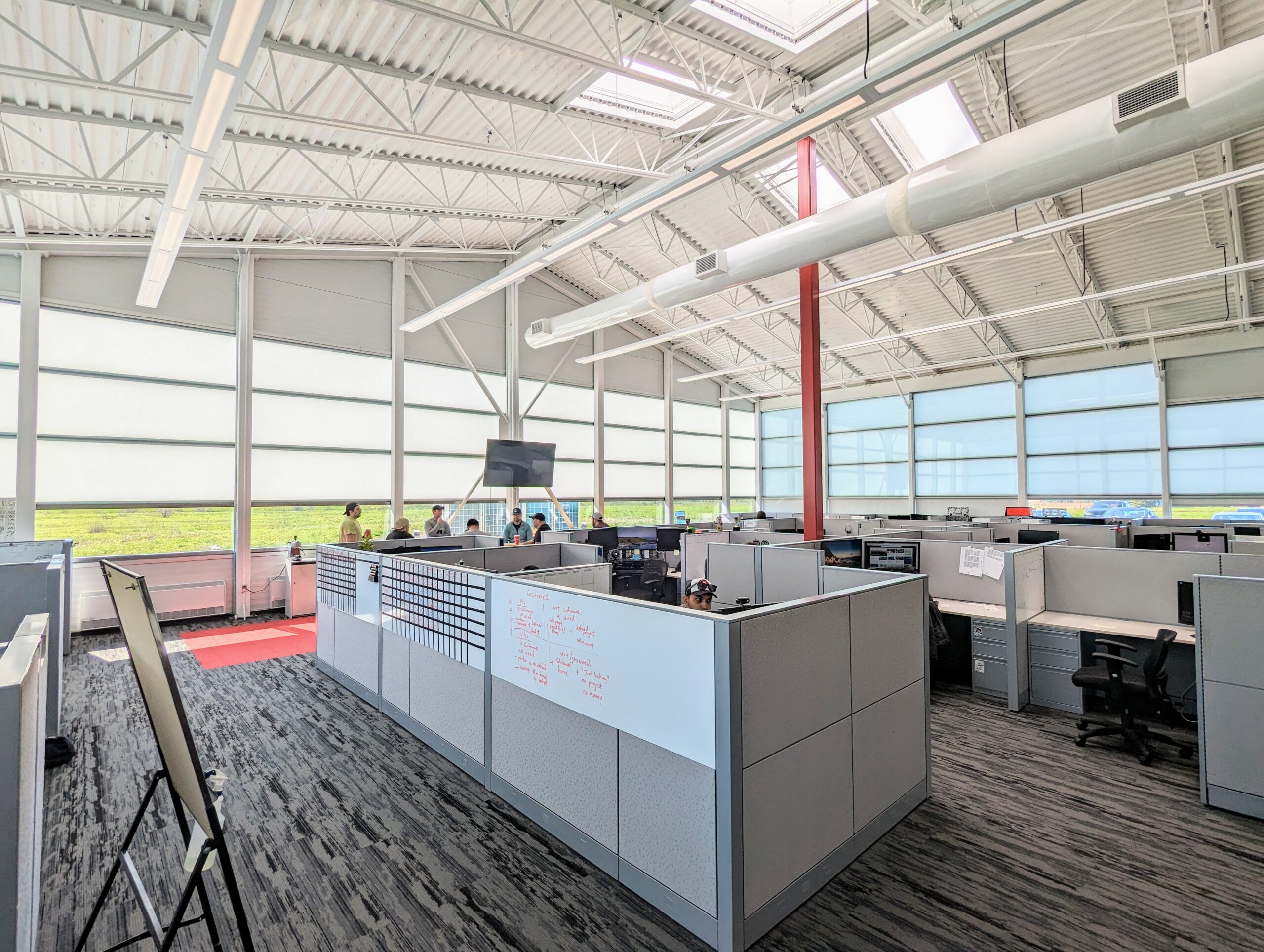
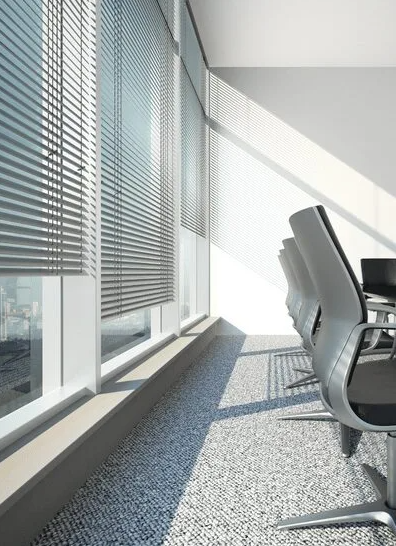
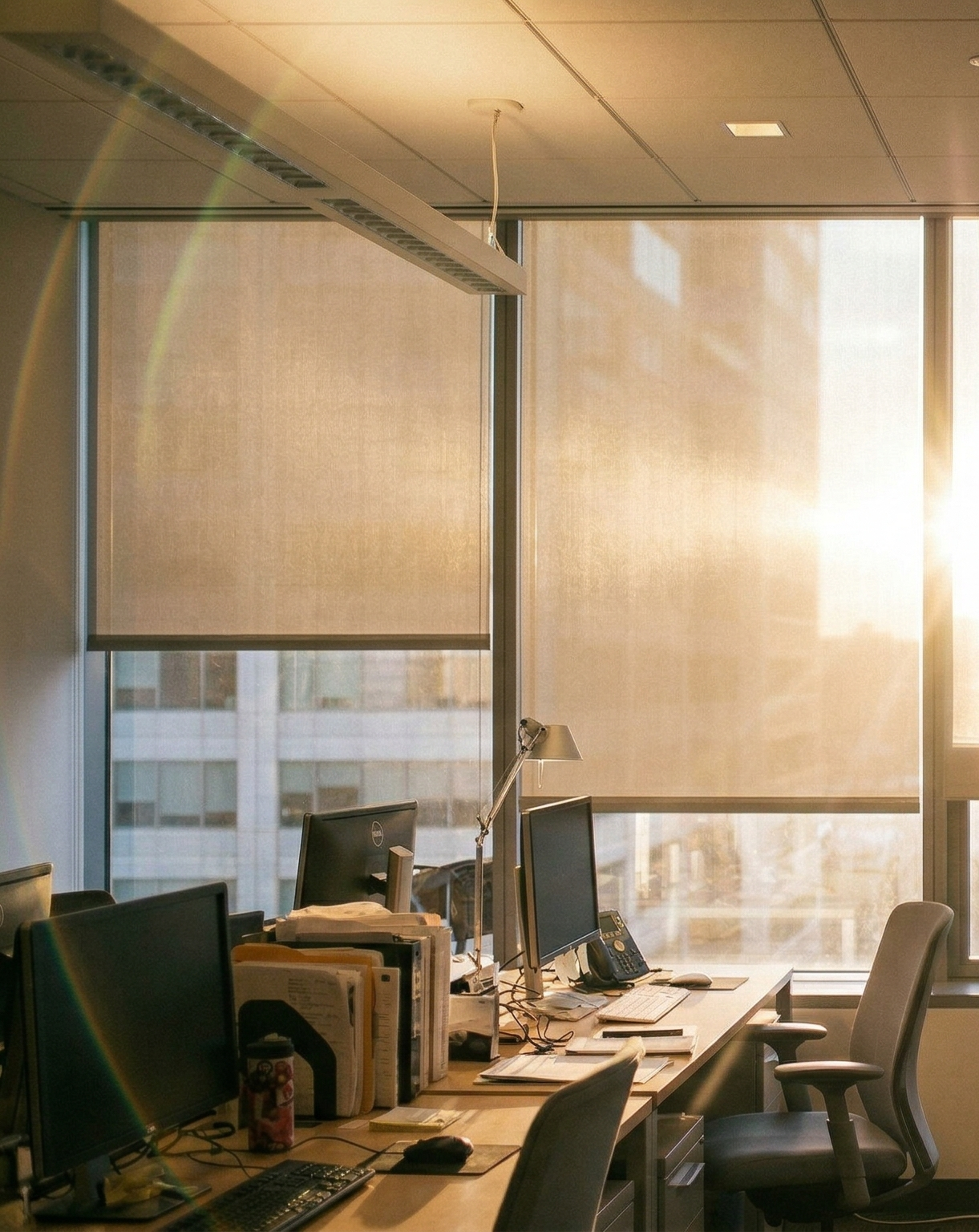
The real problem isn’t too much light — it’s the wrong kind of light.
What buildings actually need is a way to admit abundant natural light while eliminating glare and controlling heat gain. That’s not a blind problem. That’s a glazing problem. And there’s a whole category of architectural glass designed to solve it.
(Compared to R-2 for standard double-pane glass and R-13 for a typical wall)
With insulation that outperforms most opaque walls, Solera® significantly reduces heating and cooling loads, allowing for smaller, less expensive HVAC systems and lower monthly energy bills.
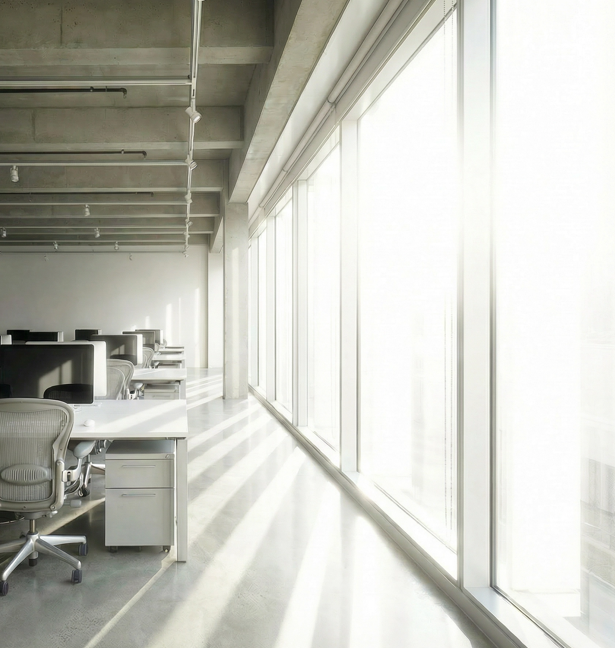
By filling your space with beautiful, usable daylight, you can significantly reduce reliance on artificial lighting for most of the day, cutting electricity consumption by up to 30%. Less artificial light also means healthier occupants — more on that below.
Lower energy consumption means a smaller carbon footprint, helping you meet sustainability goals and attract tenants who value environmental responsibility.
PERFORMANCE IS ALSO HUMAN
The strongest business case for better daylight reaches beyond energy and maintenance. The light in your building affects the people who work, shop, learn, heal, and stay there—so occupant experience belongs in the performance conversation.
Modern LED lighting is energy-efficient—but it comes with a biological cost most building owners never consider. LEDs emit a heavily blue-shifted spectrum, rich in the short wavelengths (420–450nm) that suppress melatonin and disrupt circadian rhythms. At the same time, they are almost entirely deficient in the red and near-infrared wavelengths (670–900nm) that natural sunlight delivers in abundance.
Those longer wavelengths play a critical role in cellular energy production, mitochondrial function, and recovery. Without them, occupants experience a kind of “light starvation”—increased fatigue, disrupted sleep, reduced alertness, and over time, measurable impacts on long-term health.
Solera® brings full-spectrum natural light indoors—giving your building’s occupants the complete light diet their biology actually needs, and giving you a building that genuinely supports the people inside it.
Read the Article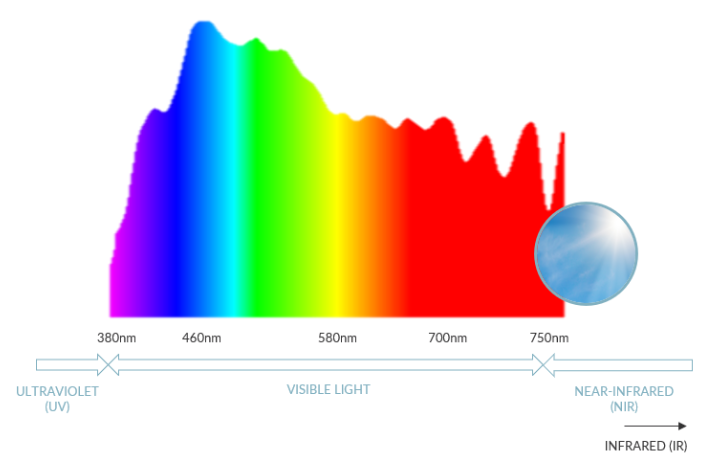
BETTER BUILDINGS FOR HUMANS PODCAST
Better Buildings for Humans connects building owners with architects, health researchers, engineers, and sustainability leaders who are asking better questions about the places we occupy. Episodes explore light and wellbeing, tenant experience, long-term operating value, and how people-first decisions can strengthen an asset over its entire life.
Explore the Podcast