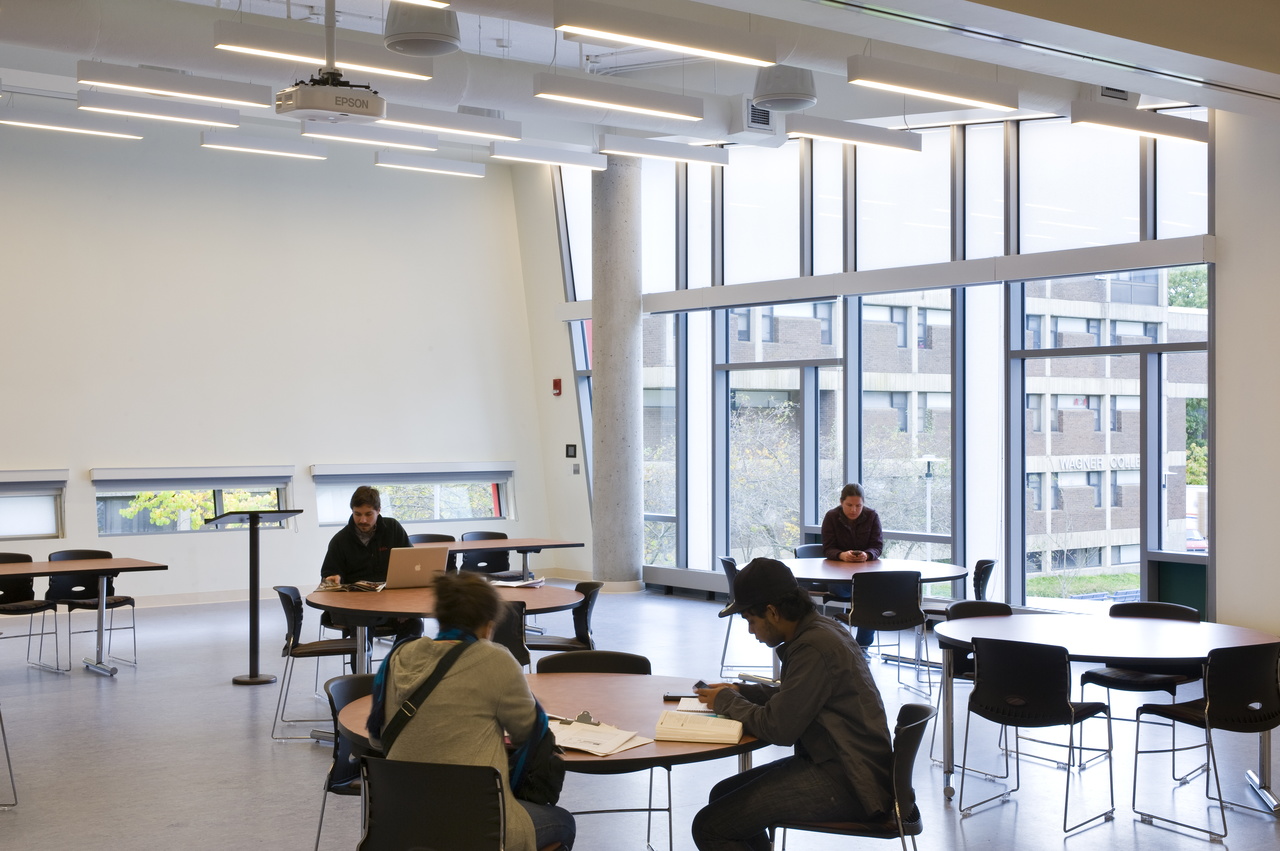
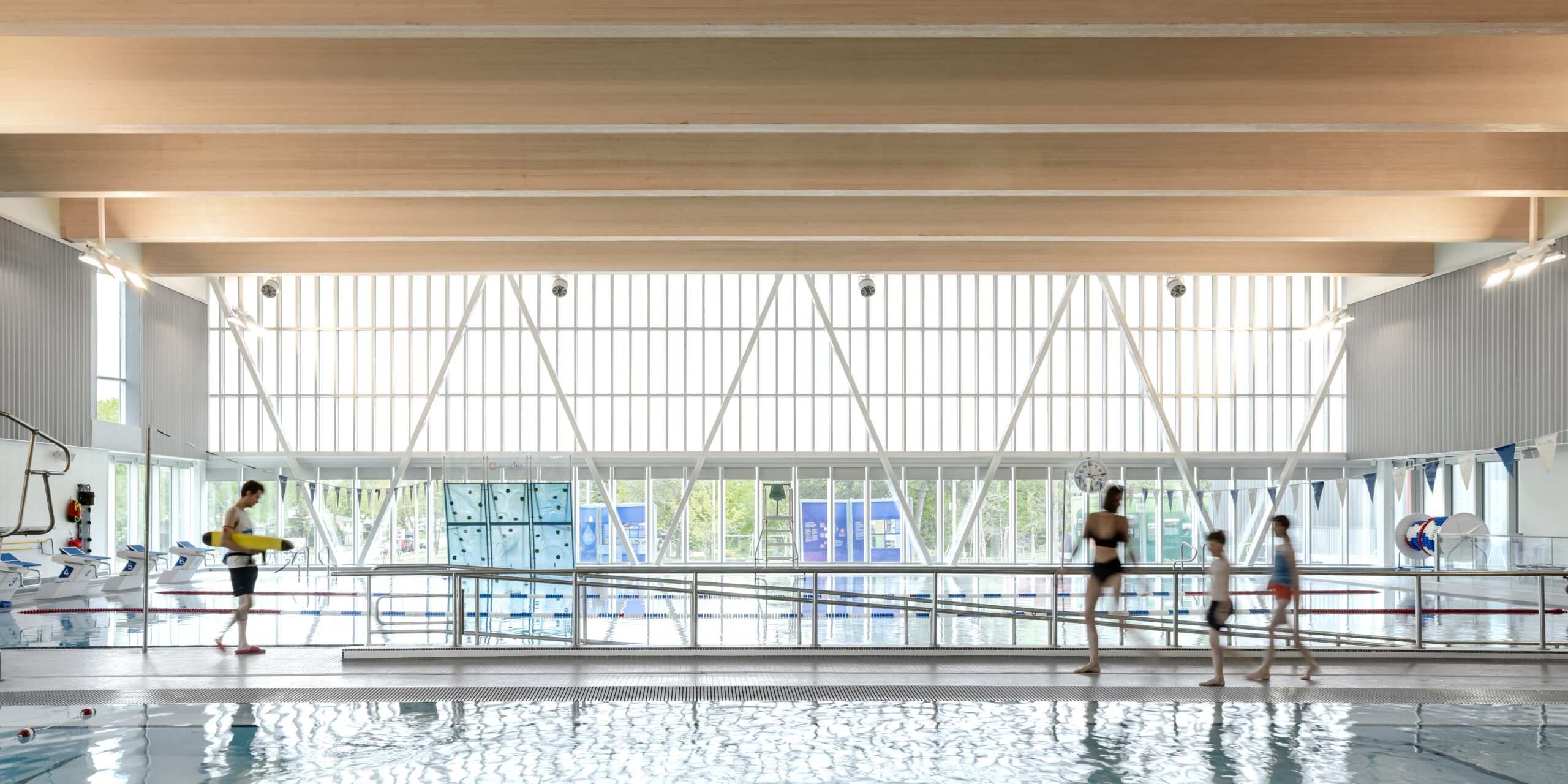
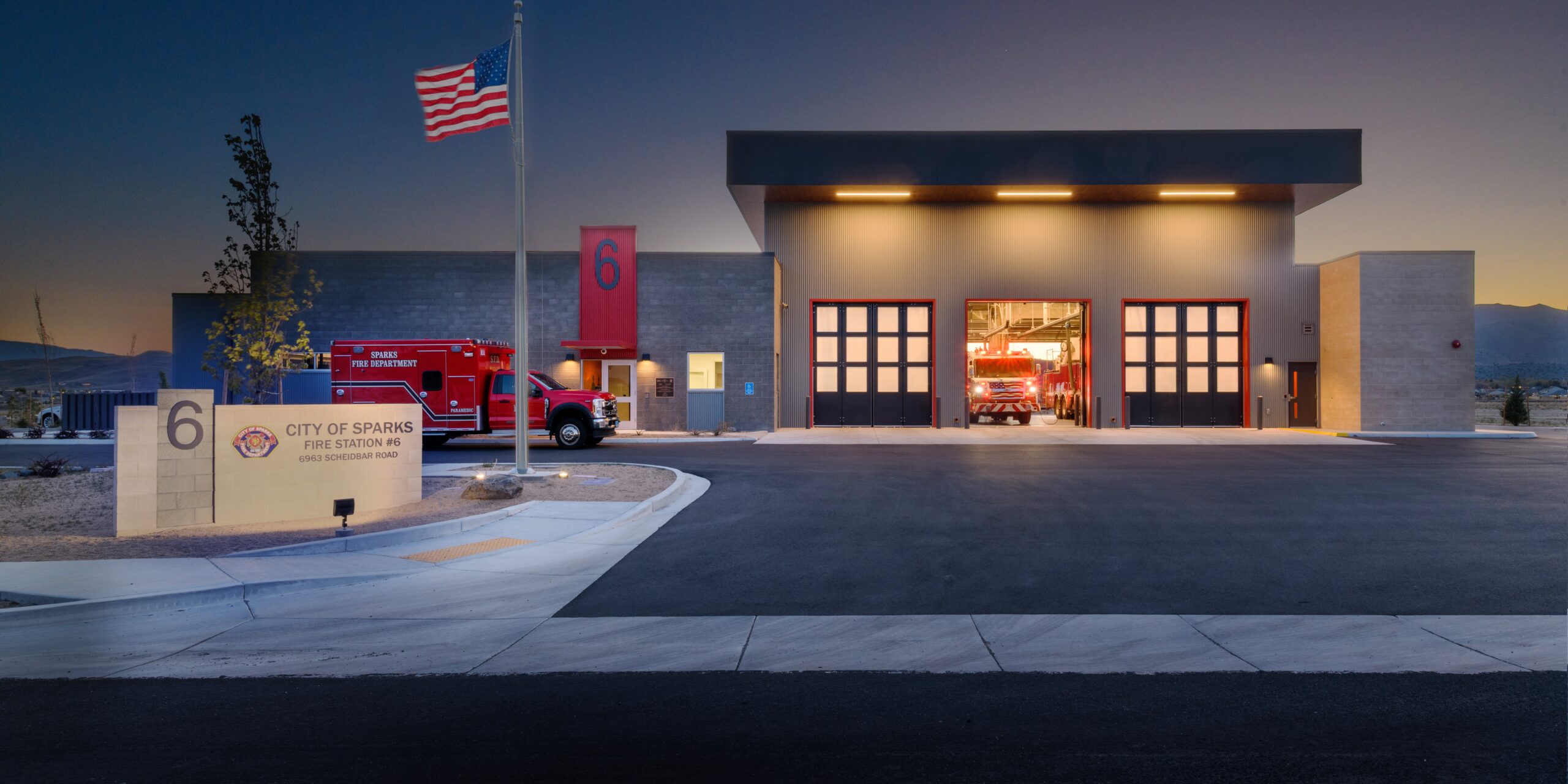
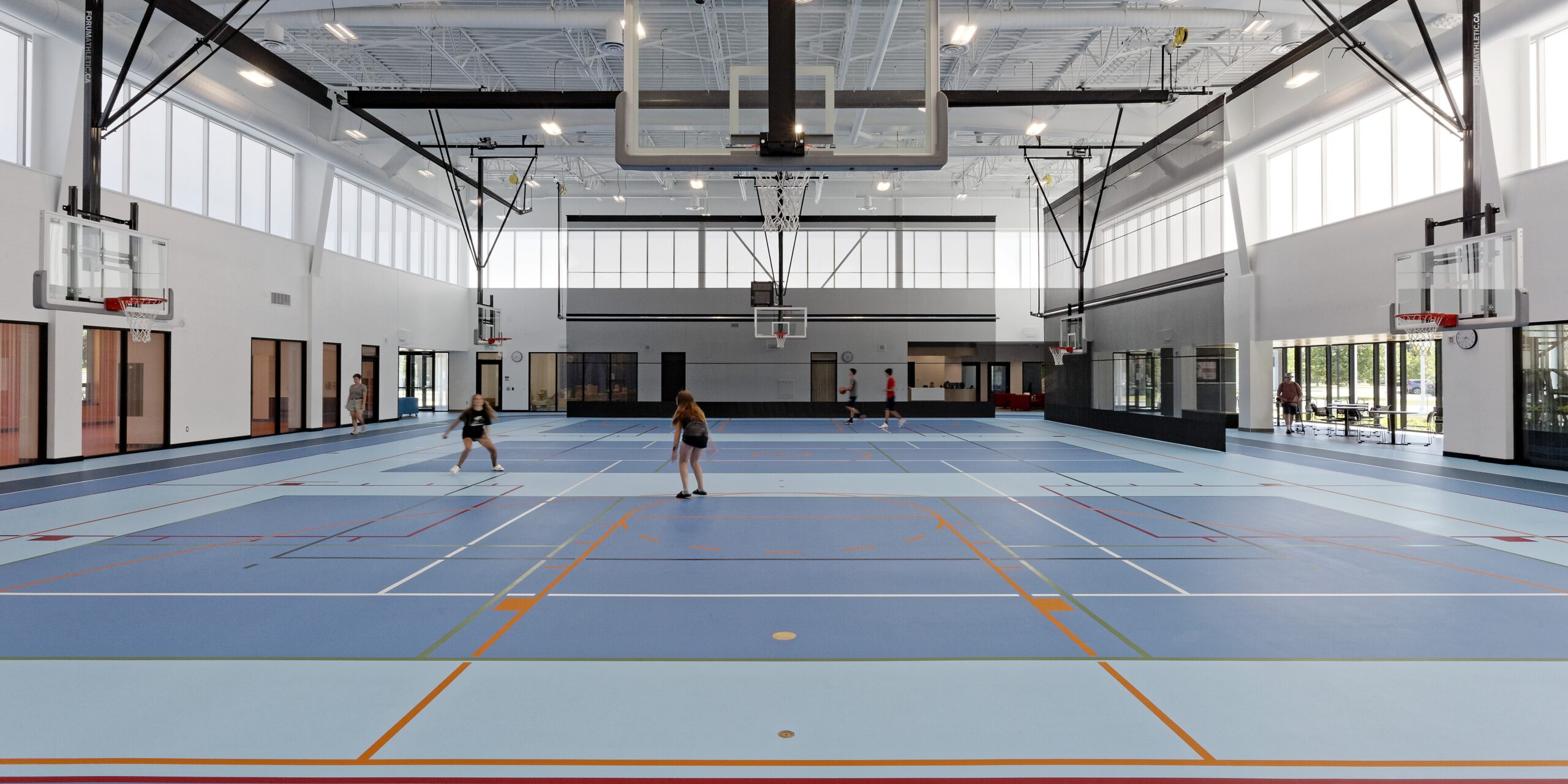
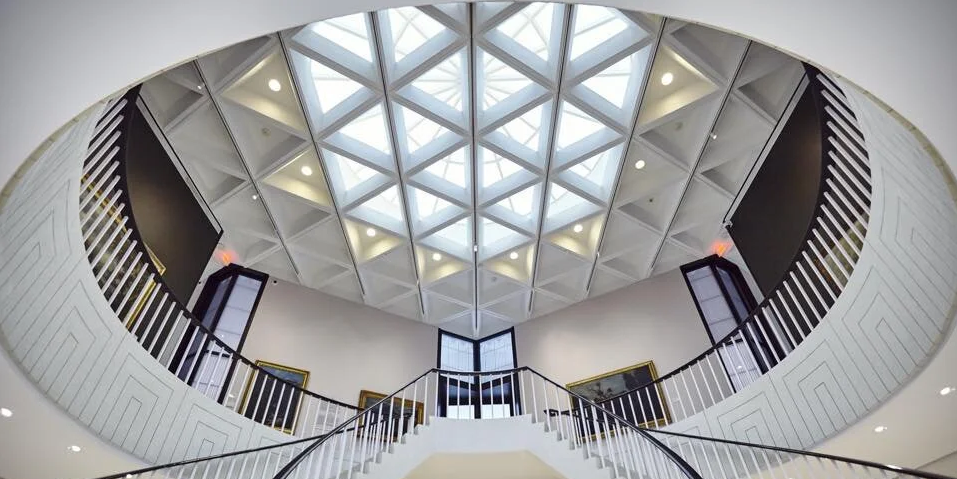
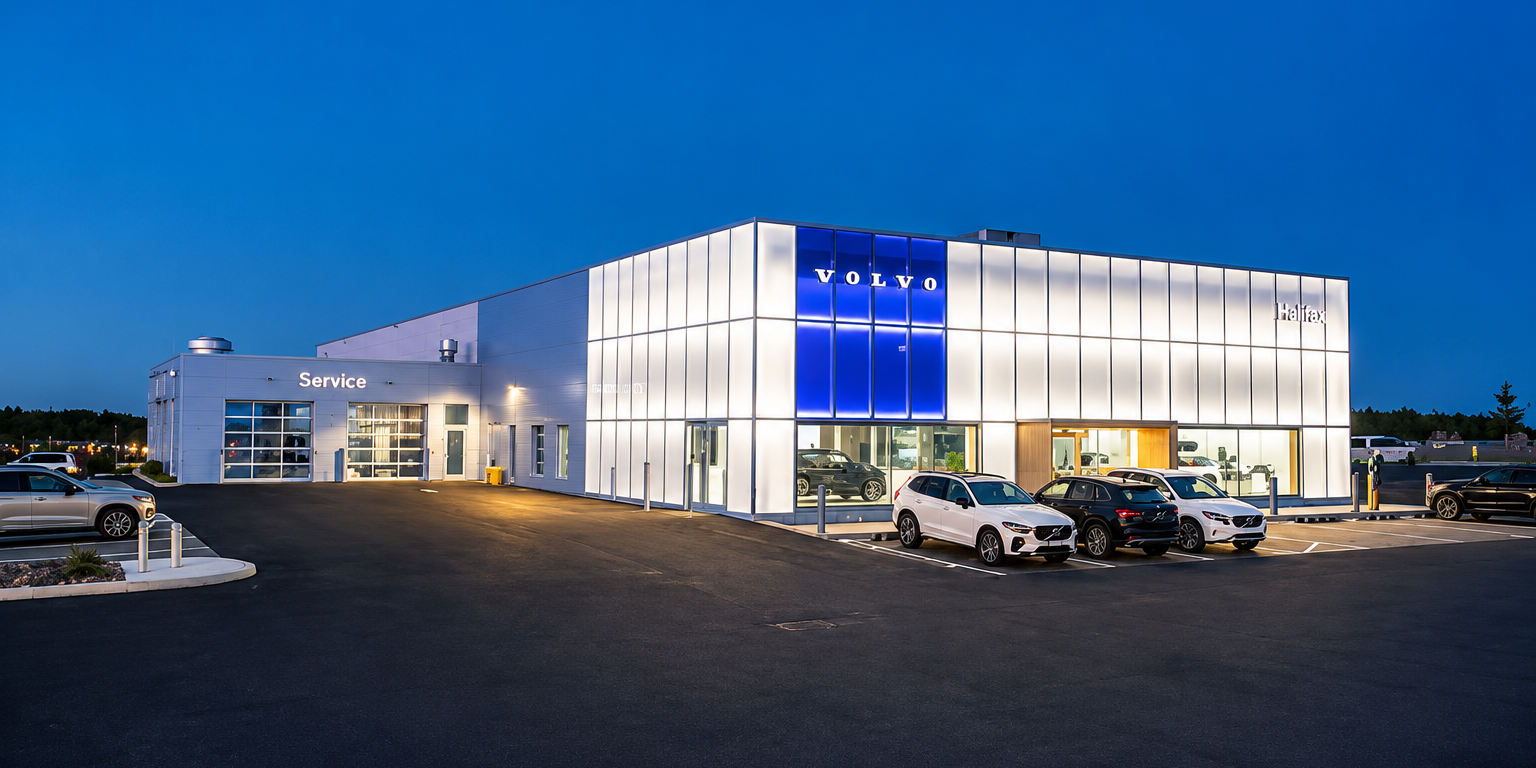



Opaque walls isolate. Vision glass invites glare and heat. Solera® is the missing third option—engineered translucent glazing that transforms raw sunlight into soft, usable daylight while providing the insulation of a solid wall.
(U-Values from 0.47 to 0.04)
Fully customizable light levels
Permanent, UV-stable, won’t yellow
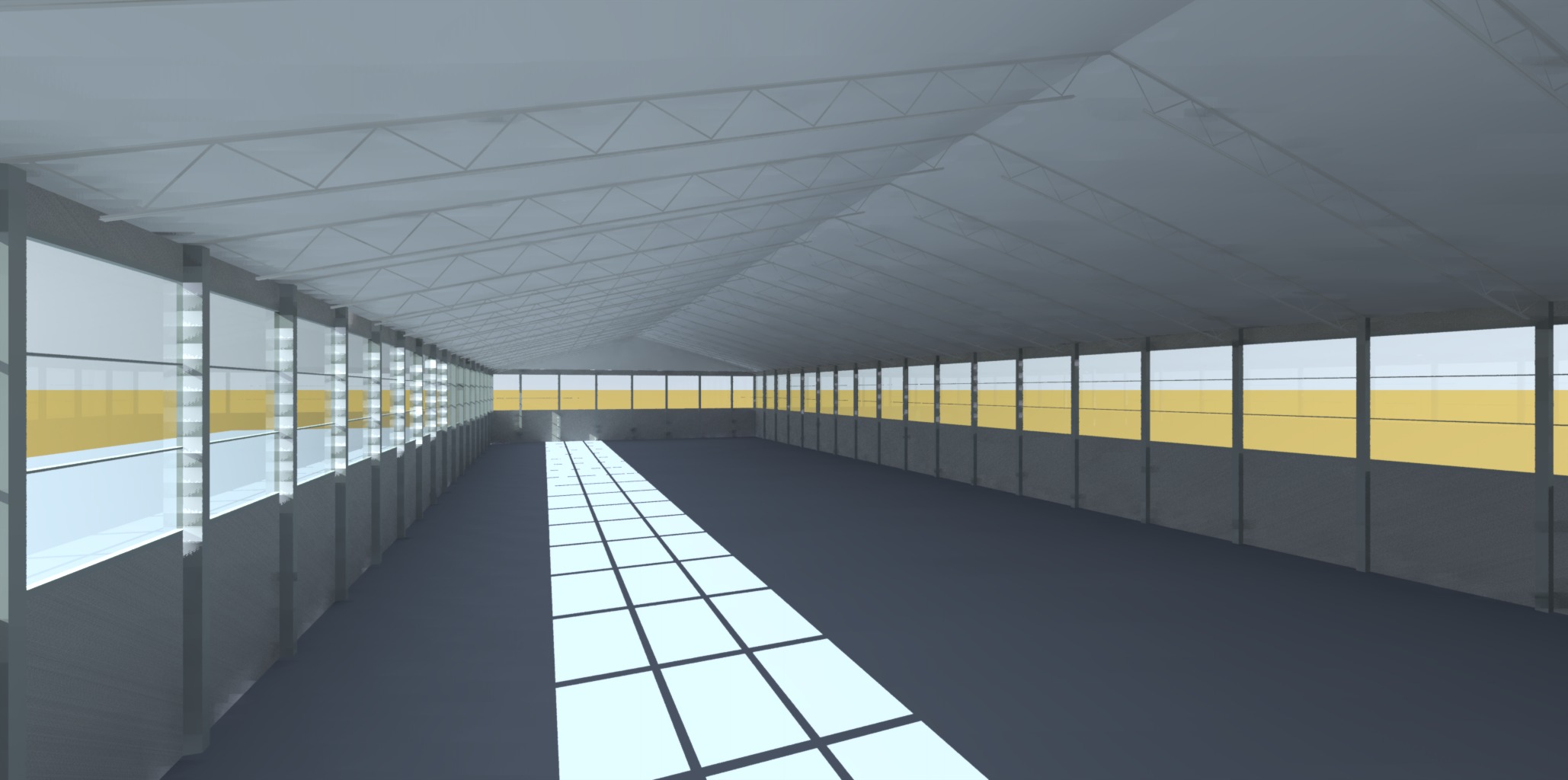
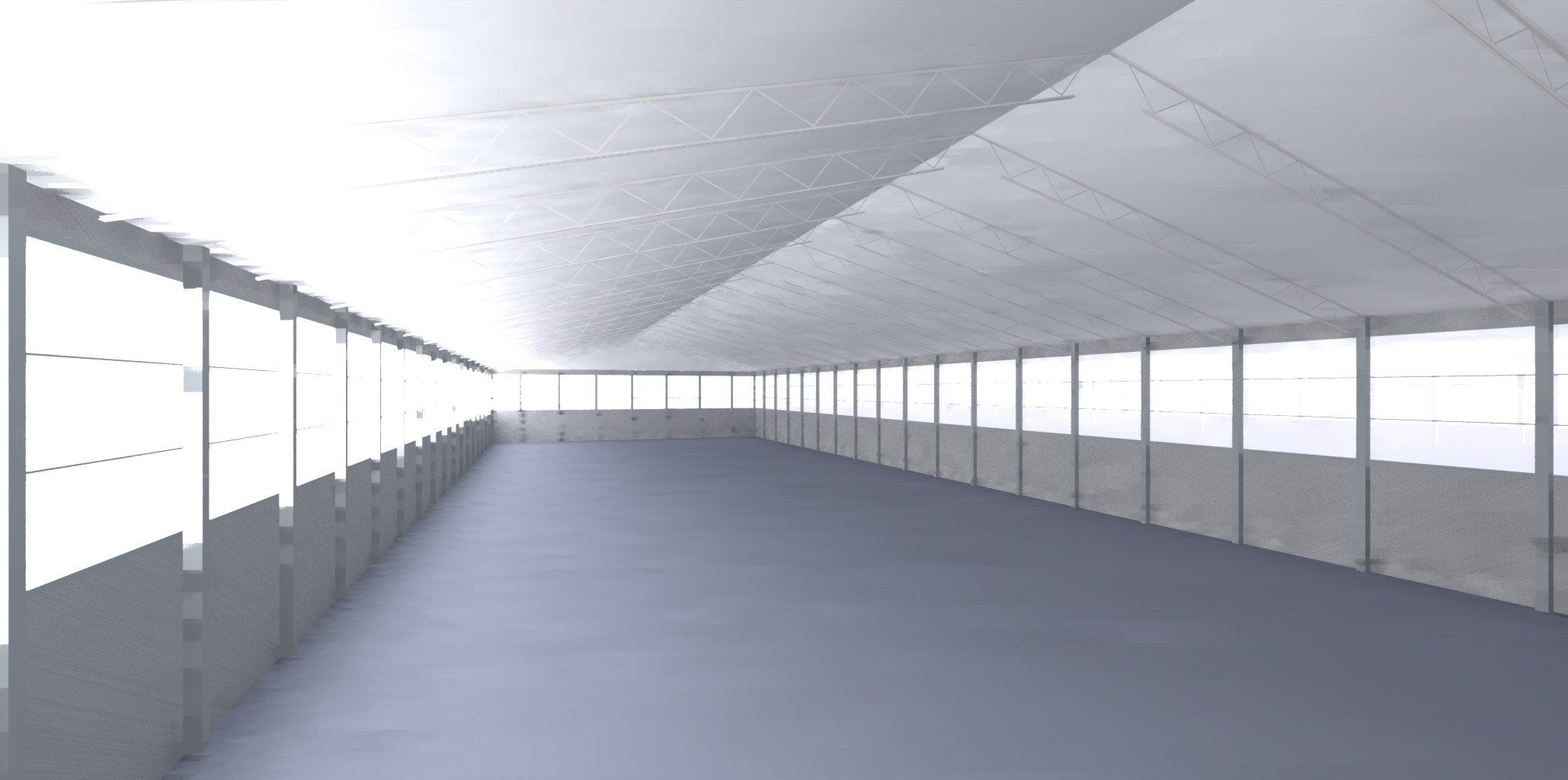
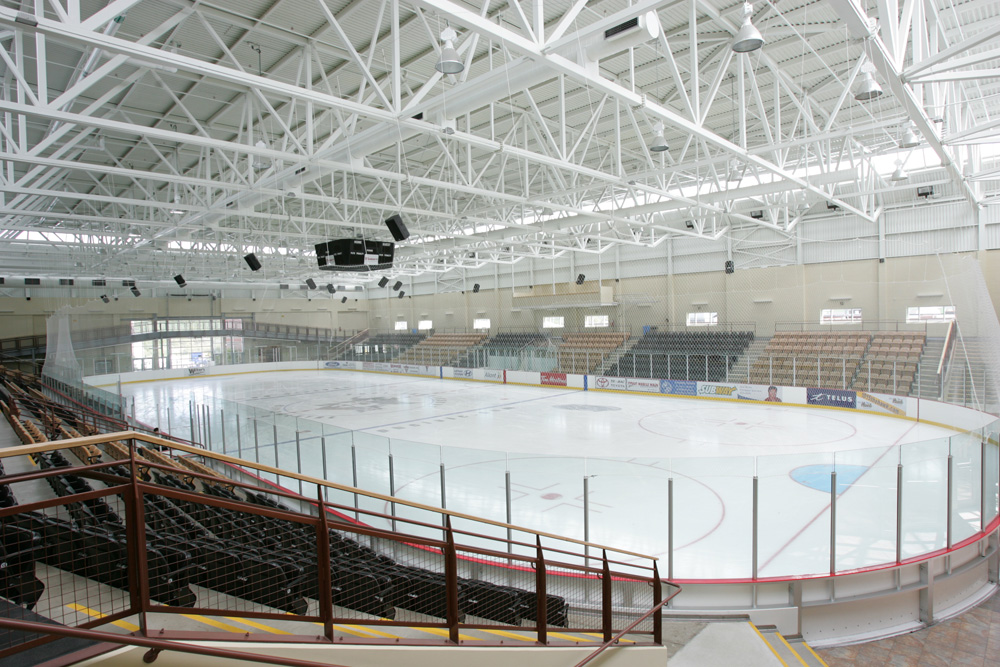
Solera® units are engineered daylight diffusers. They transform raw, harsh sunlight into soft, gentle, practical daylight that fills your entire space. This gives you all the benefits of natural light without the glare and heat gain that cause so many daylighting projects to fail.
Achieve an R-value of 8 per inch (U-value of 0.64W/m²K per 25mm), dramatically reducing solar heat gain and loss.
Maintains 75% light transmission per 3/8” (80% per cm) for bright, usable interior spaces.
Lowers demands on heating, A/C, lighting, and ventilation, directly reducing carbon emissions.
Unmatched moisture resistance ensures long-term performance and clarity without degradation.
Enhances Sound Transmission Class (STC) ratings, creating quieter, more comfortable indoor environments.
Compatible with major sustainable building certifications including LEED, BREEAM, WELL, and Fitwel.
Compatible with virtually any standard window, storefront, curtain wall, or skylight system, Solera® allows specifiers to precisely configure properties for new construction or retrofits.
Got a Large Opening?
When the opening is too large for conventional framing, SoleraWall® clads directly over primary structure — delivering the same beautiful diffused daylight at building-envelope scale.
EXPLORE SOLERAWALL® ›Light Diffusing Power™ (LDP™) is a proprietary measurement system developed to compare the light diffusing ability of various glazing products. The higher the LDP™ score, the softer and more evenly distributed the light — and the less glare reaching the people inside.
By specifying to an LDP™ target, you can choose the exact product combination your project needs — eliminating glare while maintaining the thermal performance and daylighting levels your energy model requires.
Request a Complimentary Daylight Model LEARN MORE ›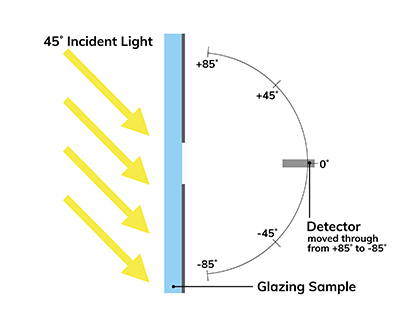
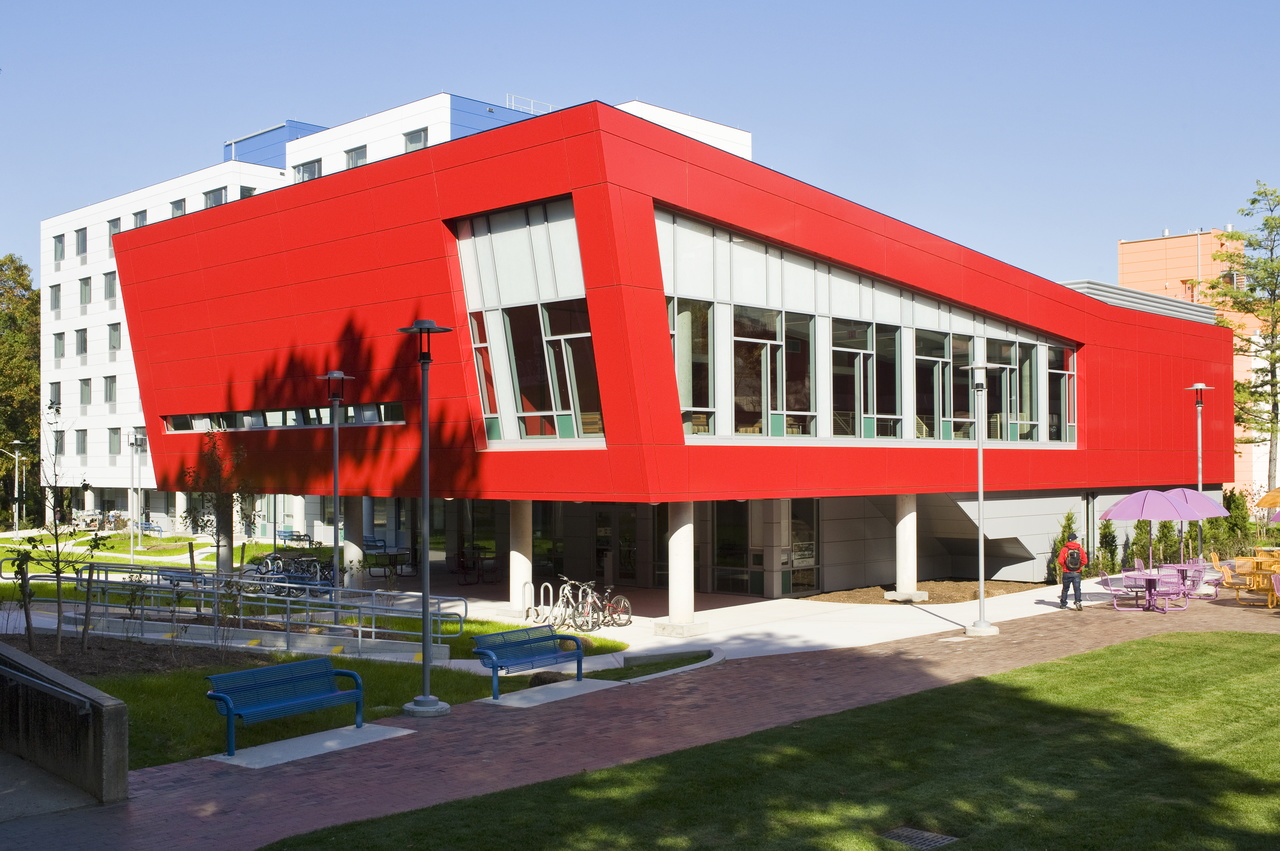
Place vision glass at eye level where occupants need a direct connection to the outdoors. This is the glass that frames the view.
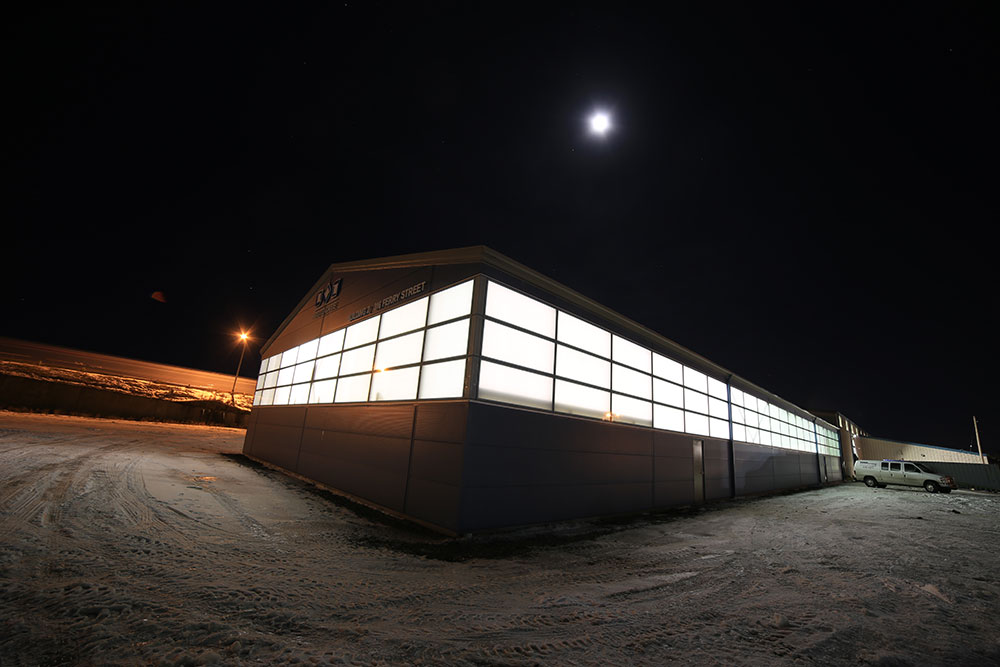
Use Solera® above the vision zone, in clerestories, skylights, and side-lites to flood the space with soft, glare-free daylight — and create that iconic warm glow after dark.
Use opaque cladding or spandrel where you need privacy, structure, or thermal mass. Every material doing exactly the job it was designed for.
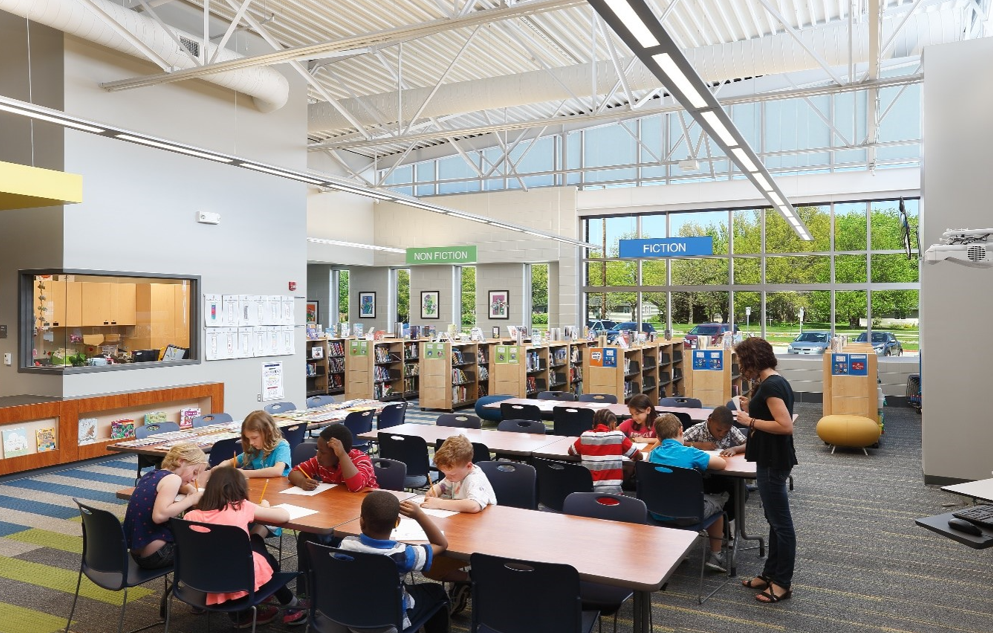
Solera® delivers full-spectrum natural daylight — unlike artificial LEDs — supporting human health in ways that matter for every building type.
By aligning with the body’s circadian rhythm, it fosters healthier, more productive environments. Studies show that access to full-spectrum daylight leads to measurable improvements in focus, test scores, and wellbeing. Solera® reduces the need for electric lighting while delivering a refined, architectural aesthetic — proving that performance and beauty can coexist.
Explore the harms of LEDs, daylighting in schools, and much more on our podcast — Better Buildings for Humans (BBFH). Powered by Advanced Glazings.
LISTEN NOWCommon questions from architects, specifiers, and building owners about Solera® translucent glazing.
Frosted and acid-etched glass scatter light by roughening the surface — this produces a low Light Diffusion Power™ (LDP™) score, meaning the light that enters is still directional enough to create glare and hot spots. Solera® uses a proprietary diffusing veil within the glass unit that scatters light volumetrically through the entire panel, achieving a significantly higher LDP™ score. The result is soft, even, glare-free illumination deep into the space.
Solera® is available in a range of thermal performance levels to suit your project’s energy requirements:
All values are for the centre-of-glass. Our technical team can help you select the right R-value for your climate zone and energy model.
Yes — every Solera® panel is made to order. Visible Light Transmittance (VLT), Solar Heat Gain Coefficient (SHGC), frit pattern, glass configuration, and panel size are all specifiable to your project requirements. We offer complimentary Radiance modelling for your project. Contact our team to get started.
Solera® is a glazing component that installs into standard framing systems including curtain wall, storefront, window, skylight, and sloped glazing systems. We provide product drawings for a wide range of framing systems on our Product Drawings page. If your framing system is not listed, contact our technical team — we can provide drawings for additional systems on request.
Yes. Solera® can help project teams earn up to 35 LEED points depending on the application and scope of use. Our technical team can provide the product data and optical performance files required for LEED documentation. Reach out to discuss your project.
Typical lead times are 6–8 weeks from order confirmation. Lead time varies depending on project size and glass make-up — standard configurations are often quicker, while specialty glass or larger orders may take a little longer. We recommend engaging our team early in the design process. Request a quote for a current lead time estimate.
Polycarbonate and fibre reinforced plastic (FRP) panels degrade over time — they yellow, lose VLT, and can become brittle. Solera® is a glass-based product and does not degrade. It maintains its optical performance, colour neutrality, and structural integrity for the life of the building. Glass is also inherently more resistant to surface scratching, cleaning chemical damage, and UV-induced yellowing than any plastic alternative.
Connect with an architectural product consultant and find out how Solera® can work for your building.
FIND YOUR REP VIEW RESOURCES