


A Masterpiece Reborn in Light
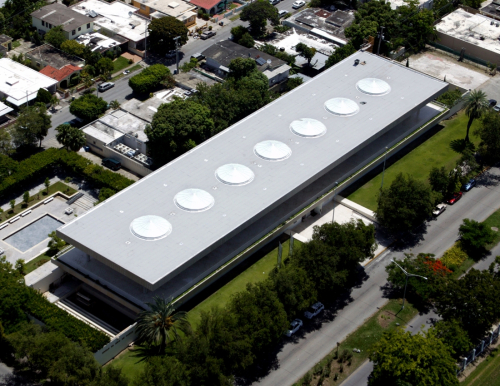
At one of the Caribbean’s most respected cultural landmarks, daylight had to do more than make the galleries beautiful. It had to bring art to life, protect a world-class collection, preserve Edward Durell Stone’s original architecture, and create a consistent viewing experience beneath seven geometric skylights.
Project Details
|
 |
Architecture Shaped by Caribbean Light
The Museo de Arte de Ponce is one of the Caribbean’s most respected cultural landmarks, housing more than 4,500 works of art and welcoming visitors from around the world. Completed in 1965, the museum was funded by founder Luis A. Ferré Aguayo, who asked architect Edward Durell Stone to express “the stately spirit of Ponce” in a building that was modern yet serenely classic.
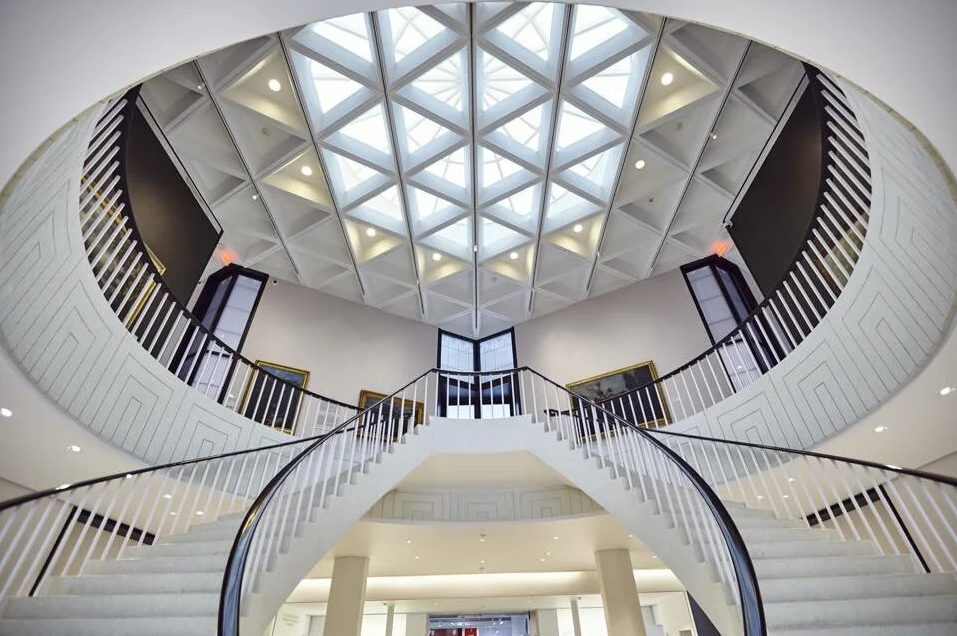
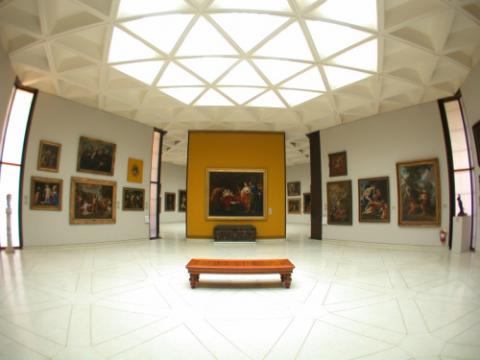
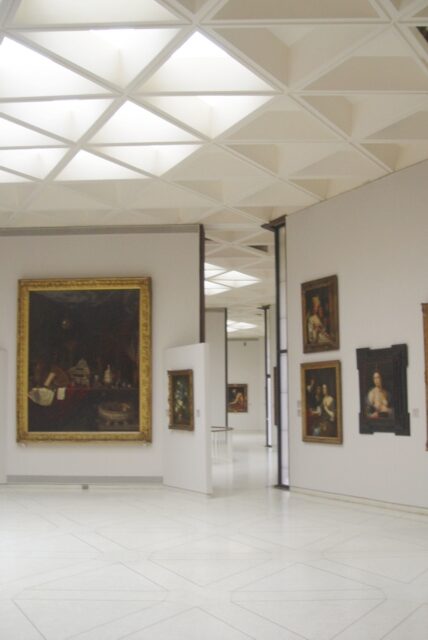
Light is central to that architecture. The original building has two levels and seven hexagonal galleries on its upper floor. Above them, a distinctive geometric roof uses recessed triangles and seven skylights to bring the clear Caribbean sky into the museum. The restoration challenge was to retain that defining architectural move while making the incoming daylight suitable for art and visitors.
The Challenge: Daylight Worth Seeing, Not Managing
Raw daylight can overwhelm a gallery. It can create overly bright surfaces, visual contrast, and changing conditions that compromise both the artwork and the visitor experience. Blocking the skylights would have protected the collection from direct sun, but it would also have removed the quality that makes the museum’s galleries memorable.
What the Restoration Needed to Preserve
The skylights were inseparable from the architecture and could not be treated as a problem to cover over.
The galleries needed controlled, even illumination that made paintings legible and compelling to view.
The solution had to reduce the intensity of incoming light and manage UV exposure while maintaining the museum’s relationship to the Caribbean sky.
The Solution: Tune the Light, Not the Architecture
Advanced Glazings was selected for the 2010 restoration to supply Solera® daylighting glass for the skylights. Rather than redirecting the design away from daylight, the project team used engineered light diffusion to turn raw sunlight into softer, more usable illumination.
Daylighting With the Precision of a Curatorial Decision
Solera® uses a proprietary diffusion veil to distribute light broadly and consistently. The glazing was modelled and configured for the preferred visible-light transmittance, helping the design team dial in the amount of daylight required for the galleries while maintaining the integrity of Stone’s original architecture.
More Than a Beautiful Gallery
The redesigned skylights preserve the museum’s architectural character while helping the galleries perform as they should. The source material documents that the final configuration controls light intensity and UV rays for the collection, creates a premium viewing experience, and reduces the need for electric lighting during the day in a region with clear skies much of the year.
That is the difference between simply adding translucent material and specifying daylighting as a performance component. The goal is not to let in as much sun as possible. It is to use the right amount of the right light, in the right place, for the people and objects inside.
|
|
|
Diffuse Light
Softens raw sunlight into consistent gallery illumination
|
Calibrated VLT
Modelled to achieve the preferred transmission for the artwork
|
Design Integrity
Retains the skylight geometry that defines the museum
|
The Takeaway: Protect What Makes a Landmark Special
At Museo de Arte de Ponce, the daylighting solution did not compete with a famous building. It helped the building continue to do what it was originally designed to do: let the light of the Caribbean shape a memorable experience of art.
For museums, galleries, libraries, and cultural spaces, controlled daylight can be a better alternative to choosing between bright but unusable glass and dark spaces that depend on electric light. With the right modelling and configuration, daylight becomes an asset that serves the architecture, the collection, and the visitor together.
Original Architect: Edward Durell Stone | Daylighting Consultant: HLB Lighting Design | Product: Solera® | Project: Museo de Arte de Ponce Restoration