


A School Designed So the Blinds Can Stay Up
Brookland Elementary was designed around a simple question: if classroom windows are routinely covered by blinds, what is the daylight strategy really achieving? By pairing views where they mattered with diffuse Solera® daylight above, the school created calmer classrooms, reduced reliance on electric light, and a façade that will keep performing over time.
Project Details
|
 |
Why More Vision Glass Was Not the Answer
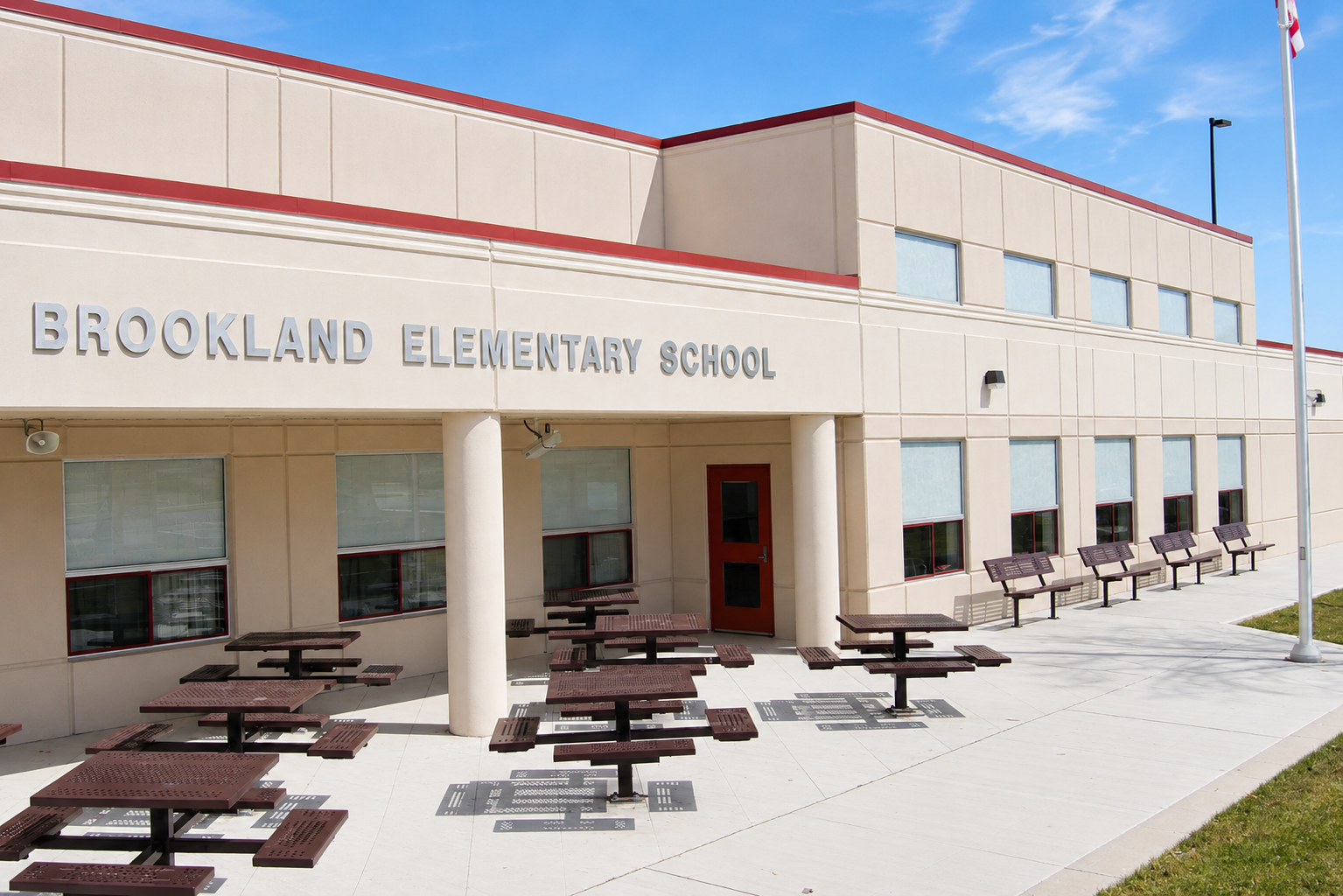
Brookland Elementary was planned for an established Sydney neighbourhood, on an open green site bordered by mature trees. The project had a valuable relationship to its surroundings, but the team did not confuse a view with a full daylighting strategy.
Vision glass can give a classroom a connection to outdoors, but direct sun also brings contrast, glare, and overheating. The conventional response is to add blinds or curtains. Once those coverings come down, they tend to stay down — limiting daylight, adding maintenance, and undermining the reason the glazing was specified in the first place.
What Brookland Needed From Its Glazing
Use Vision for Views. Use Solera® for Daylight.
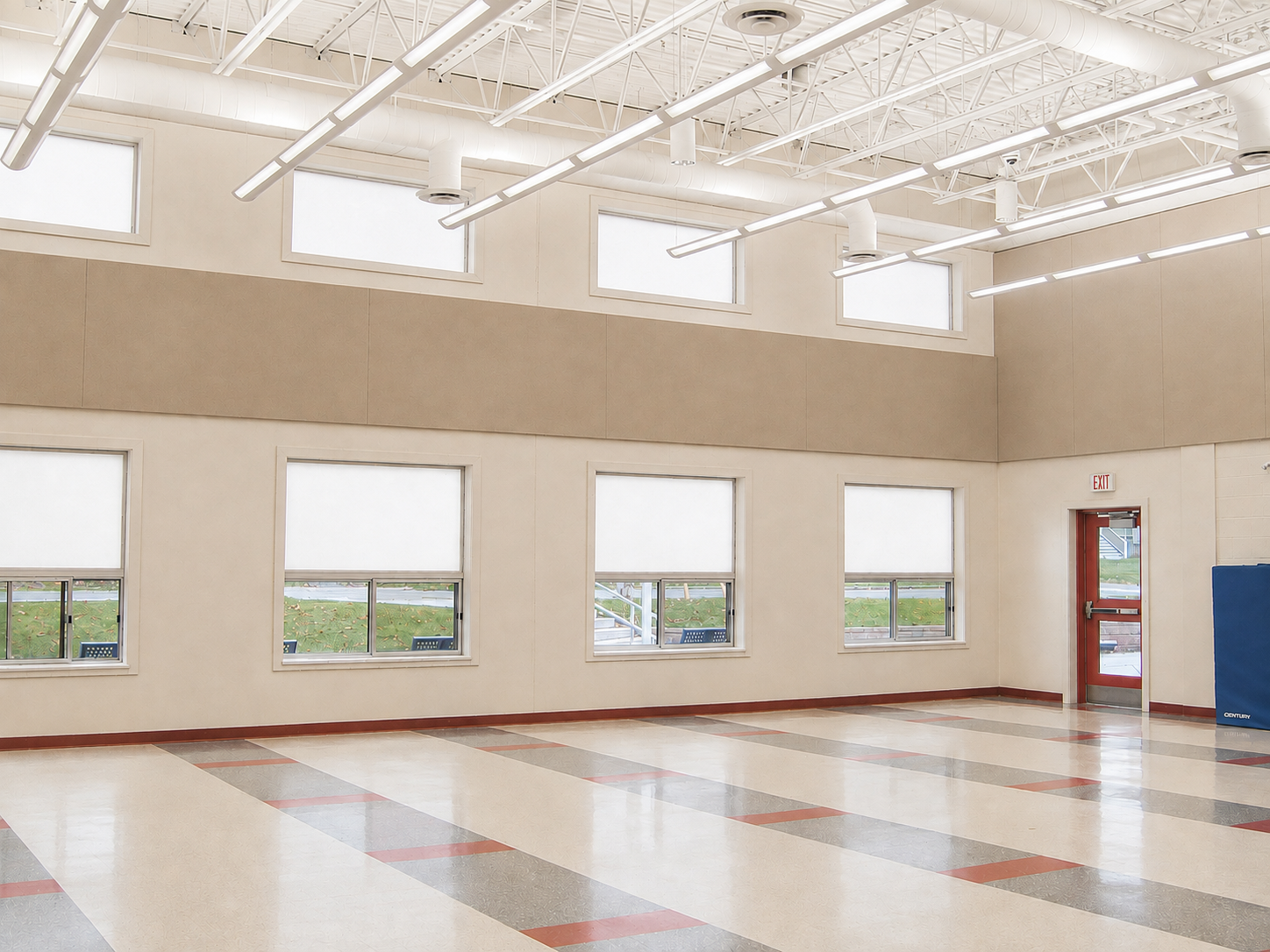
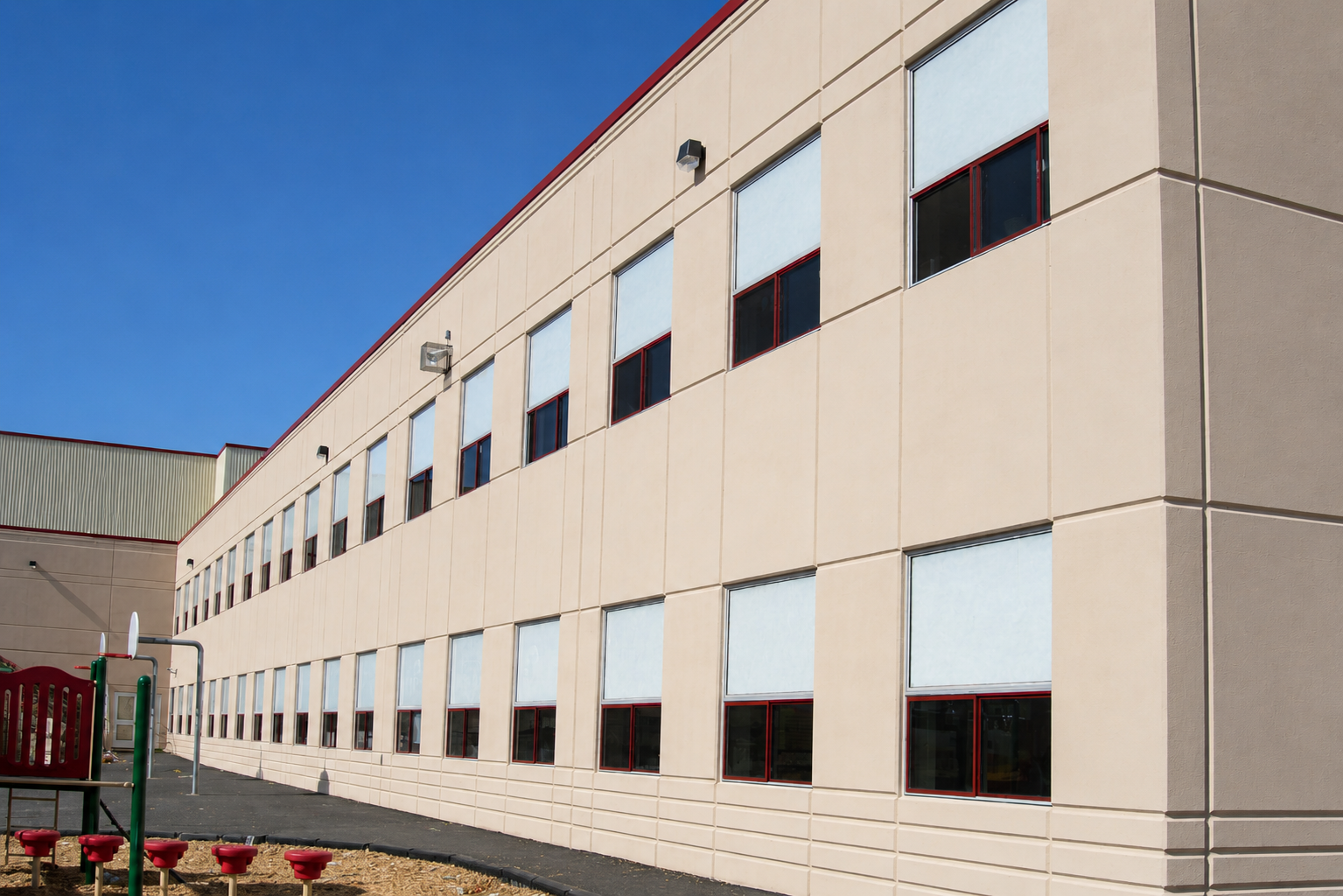
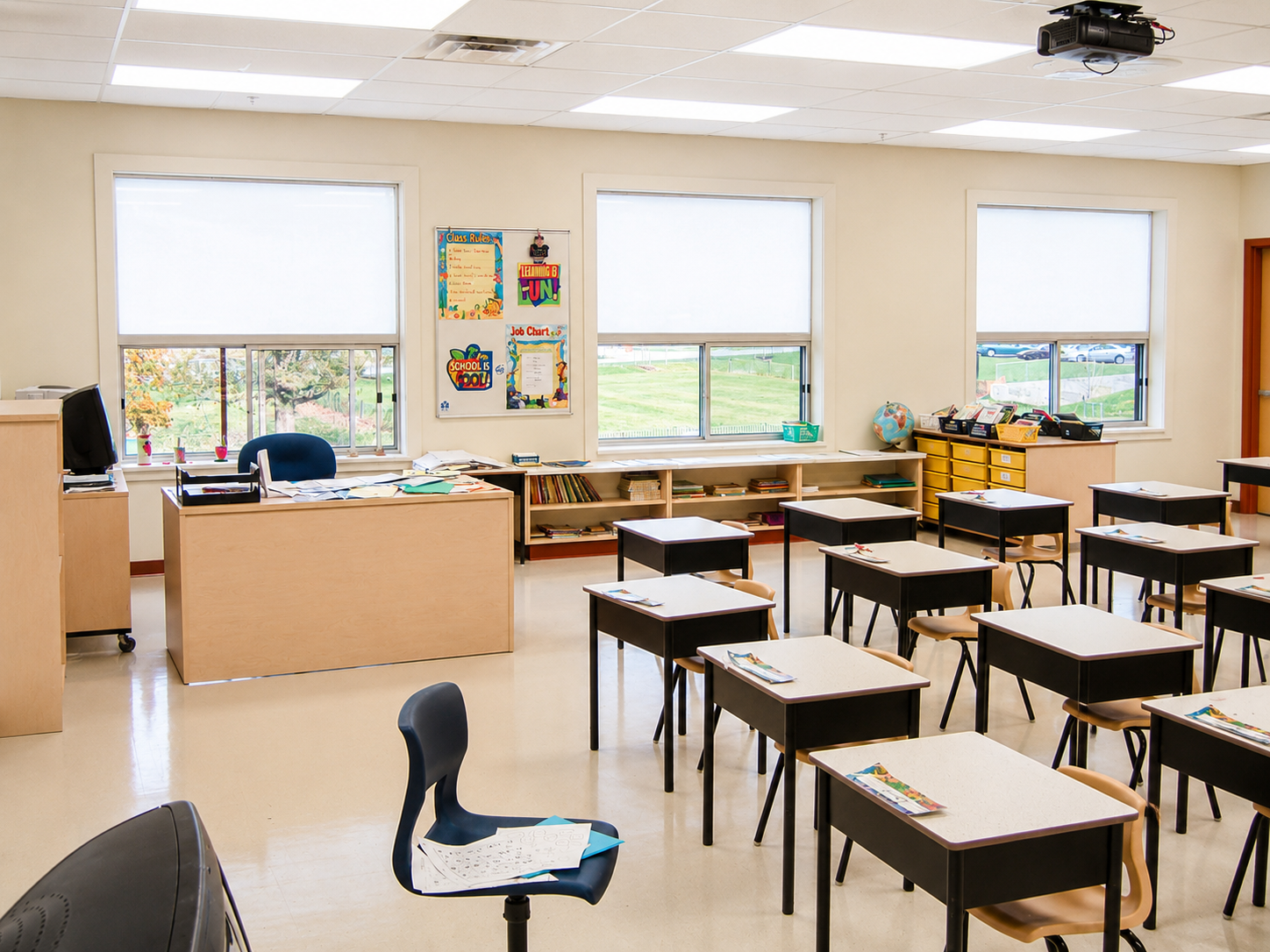
Although the classroom configuration was already established when the project changed direction, Solera® was easy to introduce. The final composition put Solera® S above the vision-glass sliders in standard punched-window systems. Views stay accessible below; diffuse daylight enters above and carries further into the classroom.
A Better Third Option for Schools
The choice was not between a dark box and wall-to-wall vision glass. Solera® supplied a proprietary diffusion veil to spread direct sun into broad, usable daylight, combined with an insulating glass-based system designed for architectural longevity. The result was a façade where each material did the job it was best suited to do.
 |
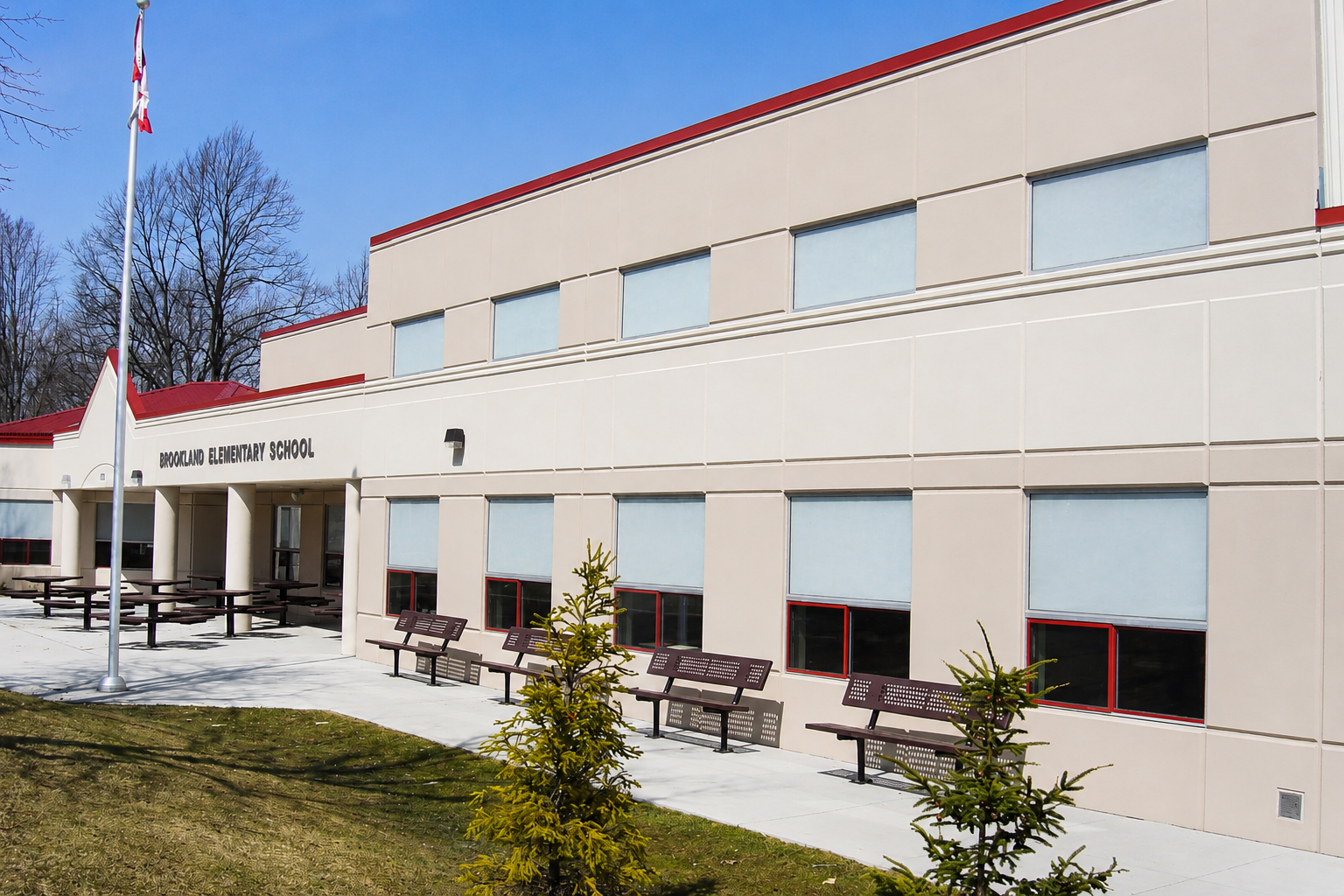 |
The façade pairs vision glass at the view plane with Solera® daylighting glazing above.
What Teachers Noticed First
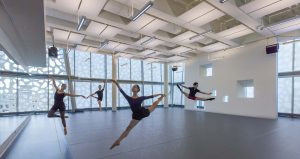
For Mike Harvey, this was a first project using translucent daylighting. He expected questions about reducing the amount of clear glass. Instead, the response focused on how well the rooms worked. Teachers began using less artificial light, and students noticed the difference too.
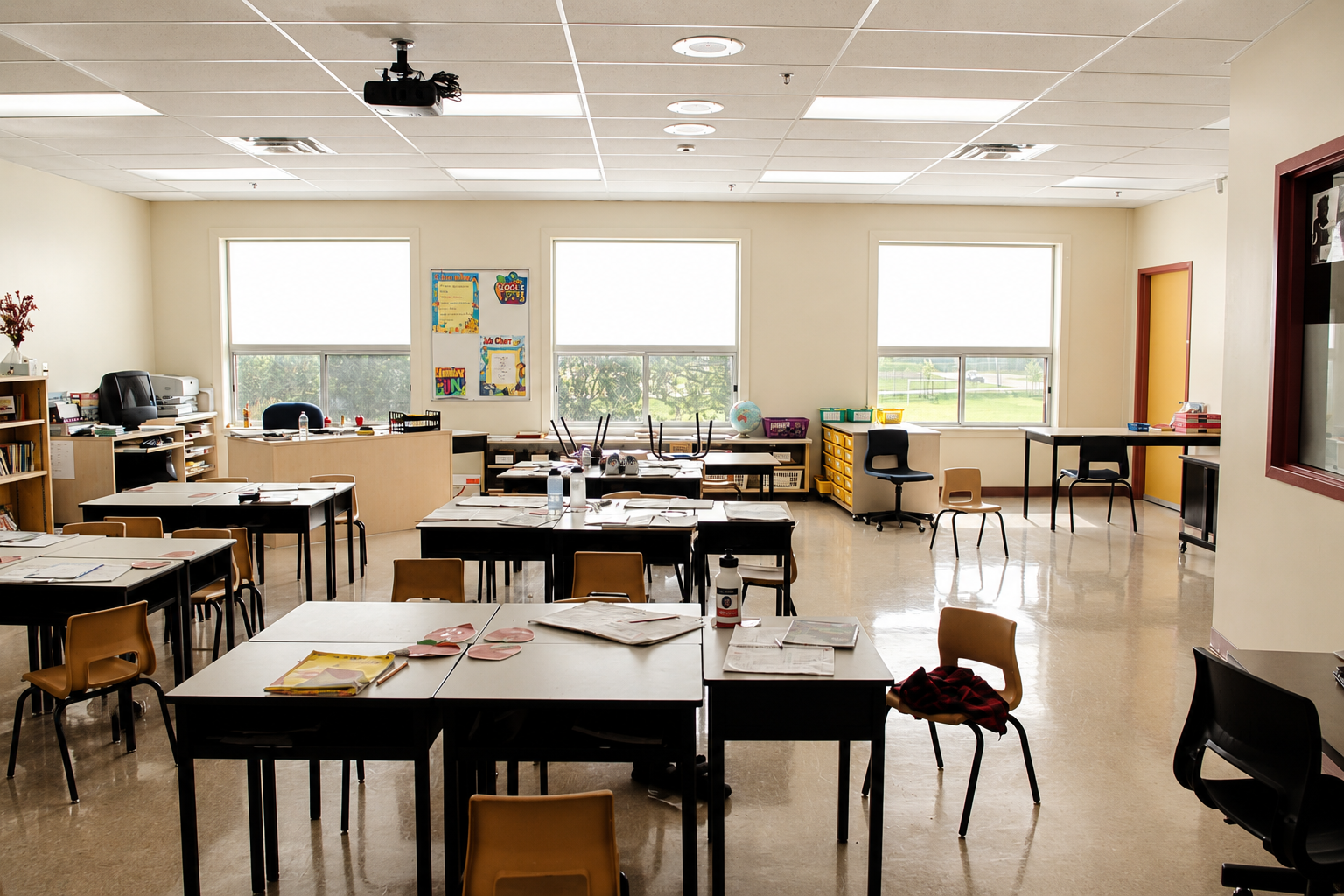
Teacher Neeta Kumar found that the evenly distributed daylight also worked alongside classroom technology. With an appropriately specified projector, screen, and placement, presentations remained workable. More importantly, the classroom did not feel like an institution built around electric light and closed blinds.
The Result: A Daylighting Strategy That Stays Useful
Brookland Elementary shows how a school can preserve views without asking vision glass to solve every daylighting problem. By putting Solera® where diffuse daylight was needed and vision glass where views were valuable, the team created brighter, calmer classrooms and reduced the need to cover the windows that were meant to connect students to the outdoors.
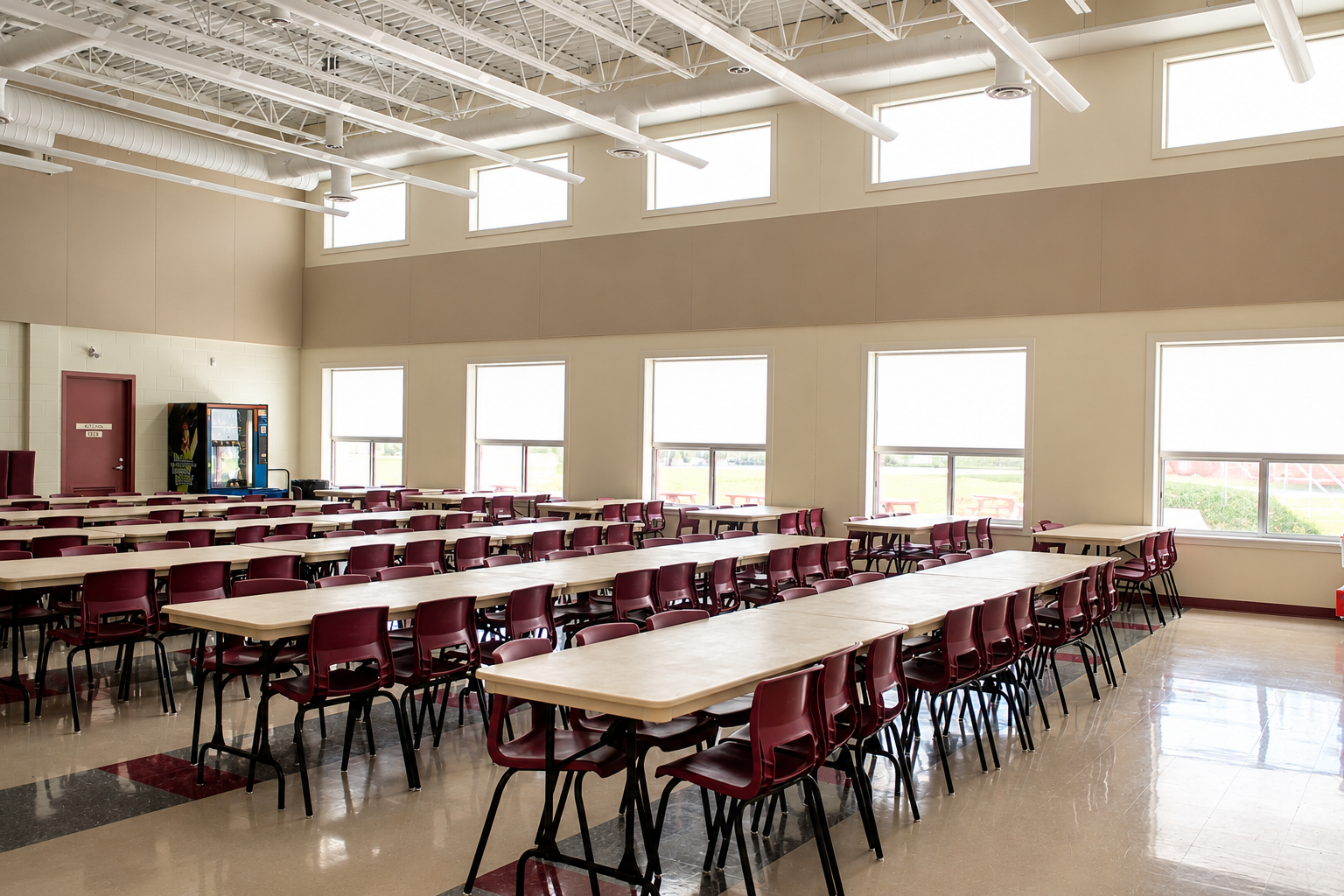
The approach also supports the long view. The glass exterior of Solera® integrates visually with the vision glass below it and avoids the appearance and durability compromises often associated with plastic translucent panels. A school retrofit or new build should not have to choose between lasting architecture and usable daylight.
Architect: Harvey MacKenzie | Education Advisor: Don Lohnes, Nova Scotia Department of Education | Client: Brookland Elementary School | Product: Solera® S